The Definitive Guide to Determining Roof Sheathing Thickness

Over time, numerous homes may develop a sagging and leaky roof. To prevent substantial expenses for roof repairs and extend your home’s lifespan, it’s not recommended to opt for the same thickness across various material types.

Roof sheathing stands as a crucial investment for homeowners, particularly in cold climates and regions with frequent weather fluctuations.

This article aims to provide guidance on selecting the appropriate sheathing thickness for your roof, taking into account the materials used, the intended application, and the prevailing environmental conditions.

Roof Sheathing Thickness

What Is Roof Sheathing and Why Is It Significant?

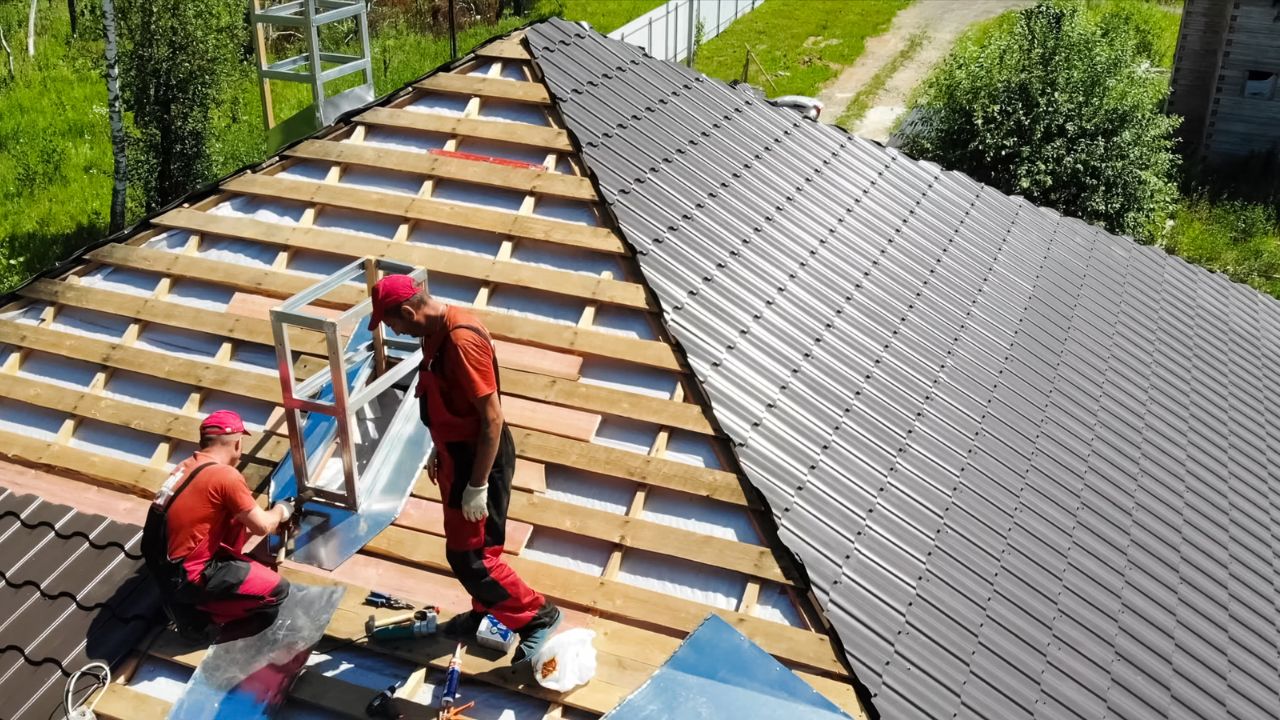
Roof sheathing consists of hardwood or metal covering that offers a level, even, and stable surface for fastening roofing materials securely. Additionally, it serves as an extra barrier between your home and the external roofing materials, safeguarding your interior from water infiltration.

Sheathing plays a crucial role in reinforcing your roof by evenly distributing any applied weight or loads. It acts as a vital component in fortifying your ceiling, preventing potential collapses. Often, it’s attached to your roof’s seams and trusses to prevent shingle sagging or bending due to changing environmental conditions. Furthermore, roof sheathing enhances fire protection by making it substantially more challenging for fires to spread to the roof.

Need a Roofing Contractor?

Need A Roofing Contractor?

Fully Insured
Licensed Contractor
Need Roofing Estimate

Need Roofing Estimate?

ZIP Code Based
Highly Accurate
Roofing 3D Rendering

Want Roofing 3D Rendering?

Make Informed Design Decisions
Showcase Your Design Ideas

Call Us To Discuss More at (561)933-8686

Factors to Consider in Choosing the Roof Sheathing Thickness

Before you purchase or cut your sheathing materials, it’s important to take various factors into account:

Sheathing Material

The suitable thickness of roof sheathing depends on the type and brand of boards used for your roof deck. The ideal thickness may vary depending on whether you’re utilizing OSB, plywood, or metal sheets.

Panel Dimensions and Truss Spacing

When assessing truss or rafter spacing, opt for a thicker sheathing foundation if there are wider intervals between the framing elements.

Choosing the Thickness of your Roof Deck Based on the Application

The thickness of your roof decking depends on various factors, including the type of roof, its pitch, prevailing climate conditions, and material design codes.

Roof Decks in Cold Climates

In regions prone to seasonal snowfall, it’s crucial to consider the weight of snow when determining the adequacy of your roof dimensions. All types of roofing materials typically include specifications regarding the maximum spacing between structural supports.

The maximum loads that the sheathing boards can withstand are usually indicated on the label of the sheathing material, helping you determine the appropriate thickness for your roofing materials. For areas with snowy weather and frequent heavy rainfall, solid sheathing panels are recommended for all types of roof installations.

To minimize the effects of weather-induced expansion and contraction, opting for 1×6 boards is a wise choice. It’s essential to secure roof boards with sturdy corner joints, leaving a minimum 1/8-inch gap for expansion. Additionally, ensure that corner joints on trusses are well-balanced and aligned. When installing mineral-surfaced sheet roofing, it’s advisable to avoid using rectangular-shaped planks, as individual boards can bend, potentially causing material fractures.

Standard or Garden Shed Considerations

The thickness of your roof sheathing also depends on the specific project at hand. When constructing a shed, it’s recommended to use 5/8-inch panels, as they offer a cost-effective solution while still providing a sturdy and durable roof foundation that can withstand the test of time.

For shed construction, Oriented Strand Board (OSB) is often a superior choice compared to plywood due to its ease of construction. Tongue and groove strand board, in particular, is relatively straightforward to install on your shed.

Roof Material Replacement

Signs of internal roof cover deterioration, such as decaying and sagging roofs, mold growth, and water leaks, are clear indicators that it’s time to replace your roof materials. When upgrading to a heavier roofing system, it’s essential to ensure that the rooftop structure can support the added weight.

Exceeding the load-bearing capacity of your roof can lead to a collapse of the roof frame. Additionally, in cases of sagging roofs, asphalt shingles may overstretch across the rafters, resulting in the breakage of roofing material particles.

Recommended Roof Sheathing Thickness

There isn’t a single standard thickness for roof sheathing, but typical roof sheathing thickness ranges from 5/8″ to 1/2″. It is advisable to use 5/8″ thickness for OSB and 1/2″ thickness for plywood when installing roof sheathing.

The recommended roof sheathing thickness is 5/8″.

Roof Sheathing Thickness

Minimum Roof Sheathing Thickness

The minimum requirement for roof sheathing thickness is 3/8″. This is the lowest thickness allowed.

What Happens with Thin Roof Sheathing Materials?

Using materials that are too thin can compromise the structural integrity of your roof. Thin sheathing layers are more susceptible to bending between the framing elements, which can undermine the overall roofing system. When additional weight is applied to a 3/8″ board, it may eventually sag or deform over time.

Maximum Roof Sheathing Thickness Considerations

Careful attention to the markings on panel boards is crucial, as materials with the same thickness can have different span ratings.

Roof sheathing thickness plays a vital role in weather resistance and bolstering the entire roofing system. Thicker boards contribute to a more robust rooftop, preventing sagging between trusses. Reduced bending results in a more stable surface for roofing materials, ultimately extending the longevity of the roof.

Need a Roofing Contractor?

Need A Roofing Contractor?

Fully Insured
Licensed Contractor
Need Roofing Estimate

Need Roofing Estimate?

ZIP Code Based
Highly Accurate
Roofing 3D Rendering

Want Roofing 3D Rendering?

Make Informed Design Decisions
Showcase Your Design Ideas

Call Us To Discuss More at (561)933-8686

What Materials Works Best for Your Roof?

Wood Boards

Plywood, being lighter than OSB, exhibits a slower rate of degradation due to moisture. However, if such degradation occurs, it can result in your rooftop deck gradually sinking over time, leading to significant repair expenses.

For roof sheathing, plywood should be a minimum of 1/2 inch thick. Plywood can span up to 32 inches at the rafters and up to 15 inches between joints.

Oriented Strand Board (OSB)

OSB is a cost-effective option for those seeking larger boards compared to traditional plywood panels. It boasts greater moisture resistance and higher tensile strength than hardwood.

Half-inch OSB is suitable for rafter spacing of up to 24 inches. Ensure that panels are securely fastened to the rafters with appropriate fasteners and maintain at least a 1/8-inch expansion gap between each layer. The minimum thickness for an OSB roof plank is approximately 15/32 inches.

Metal

For roofs covered with metal sheets, a recommended thickness of approximately 5/8-inch is ideal. Metal roofs require fewer nails compared to asphalt shingle roofs. It is crucial for construction professionals to ensure that the metal roof is firmly attached to the most robust foundation available.

Neglecting the structural integrity of your roof deck can lead to significant future costs. Remember to select the right material with the appropriate panel board thickness for a more secure and durable house structure.

Need a Roofing Contractor?

Need A Roofing Contractor?

Fully Insured
Licensed Contractor
Need Roofing Estimate

Need Roofing Estimate?

ZIP Code Based
Highly Accurate
Roofing 3D Rendering

Want Roofing 3D Rendering?

Make Informed Design Decisions
Showcase Your Design Ideas

Call Us To Discuss More at (561)933-8686

Frequently Asked Questions (FAQs)

What is roof sheathing, and why is it essential for my roof?

Roof sheathing is a material layer made of hardwood, metal, or other materials that provides a stable surface for attaching roofing materials. It acts as an additional barrier against water infiltration and reinforces your roof structure, preventing potential collapses. It also enhances fire protection for your home.


Why is it necessary to consider the thickness of roof sheathing?

The thickness of your roof sheathing is critical for several reasons. It affects the structural integrity of your roof, its durability, and its ability to withstand various environmental conditions. Choosing the appropriate thickness ensures a long-lasting and resilient roofing system.

What factors should I consider when selecting roof sheathing thickness?

Several factors should influence your choice, including the type of sheathing material, panel dimensions, truss spacing, climate conditions, and the intended application. These factors collectively determine the ideal thickness for your specific roofing needs.

For plywood, a thickness of at least 1/2 inch is advisable, with the ability to span up to 32 inches at the rafters and up to 15 inches between joints. Oriented Strand Board (OSB) with a half-inch thickness is suitable for rafters spaced up to 24 inches. Metal roofing typically requires a thickness of around 5/8 inch for a secure installation.

What are the consequences of using thin roof sheathing materials?

Using materials that are too thin can compromise the structural integrity of your roof. Thin sheathing is more likely to bend under load, potentially leading to sagging and roof damage over time. It’s essential to choose an appropriate thickness to ensure a sturdy and long-lasting roof.

Are there minimum and maximum roof sheathing thickness requirements?

The minimum allowable thickness for roof sheathing is typically 3/8 inch, but it’s advisable to select thicker materials for better performance. There isn’t a strict maximum thickness, but it’s crucial to consider manufacturer specifications and span ratings for the chosen material.

What happens if my roof sheathing materials are too thick?

While there’s no strict maximum thickness, excessively thick sheathing may not be necessary and can increase costs. It’s essential to strike a balance between thickness and functionality, considering factors like weight and structural support.

How can I ensure the longevity of my roof and prevent future problems?

Proper selection of sheathing materials and thickness, along with regular roof inspections and maintenance, can extend the life of your roof. Address any signs of damage, sagging, or leaks promptly to avoid costly repairs.

What materials work best for different roofing projects?

The choice of materials, whether plywood, OSB, or metal, depends on your specific project and budget. Plywood is durable and lighter, OSB is cost-effective, and metal offers excellent resistance. The right choice will depend on your unique roofing needs and preferences.

How can I ensure my roofing project is structurally sound?

To ensure the structural integrity of your roof, consult with a qualified roofing professional or engineer. They can assess your specific needs, recommend the appropriate materials and thickness, and ensure your project meets safety and building code requirements.

Conclusion

Understanding the importance of roof sheathing thickness is paramount in ensuring the longevity and structural integrity of your roof. Over time, homes may face issues like sagging and leaks, making it crucial to make informed decisions when selecting the appropriate sheathing thickness. Roof sheathing serves as a vital investment, particularly in areas with variable weather conditions and cold climates. By considering factors such as sheathing material, panel dimensions, and truss spacing, you can make well-informed choices to safeguard your home from potential roof problems. Whether you’re constructing a standard shed, replacing roof materials, or deciding between wood boards, Oriented Strand Board (OSB), or metal, this comprehensive guide equips you with the knowledge needed to make the right decisions for a secure and durable house structure. Ultimately, choosing the correct roof sheathing thickness is essential for the overall well-being of your home and the protection it provides against the elements.

Need a Roofing Contractor?

Need A Roofing Contractor?

Fully Insured
Licensed Contractor
Need Roofing Estimate

Need Roofing Estimate?

ZIP Code Based
Highly Accurate
Roofing 3D Rendering

Want Roofing 3D Rendering?

Make Informed Design Decisions
Showcase Your Design Ideas

Call Us To Discuss More at (561)933-8686

Scroll to Top