Ice and Water Shield: What It Is and How To Install It

One of the most critical but unseen components of your roof is the ice and water shield. This virtually invisible membrane plays a pivotal role in safeguarding your home from moisture, leaks, and potential water damage.

Unlike visible roofing materials, the ice and water shield remains hidden beneath the shingles, making it an integral part of your roof that’s typically installed during a roof replacement. This guide provides an overview of what the ice and water shield is, how it’s installed, and the advantages and disadvantages of having one.

How to install ice and water shield

Key Points

  • An ice and water shield serves as a protective barrier, shielding vulnerable areas on your roof from water damage and leaks.
  • This shield is positioned on top of the wood sheathing but beneath the shingles, ensuring effective protection.
  • While it guards against ice and water, it can also create a vapor barrier, limiting the escape of gases.
  • On average, the cost of installing an ice and water barrier is $6 per square foot.
Need a Roofing Contractor?

Need A Roofing Contractor?

Fully Insured
Licensed Contractor
Need Roofing Estimate

Need Roofing Estimate?

ZIP Code Based
Highly Accurate
Roofing 3D Rendering

Want Roofing 3D Rendering?

Make Informed Design Decisions
Showcase Your Design Ideas

Call Us To Discuss More at (561)933-8686

What Is an Ice and Water Shield?

An ice and water shield, often referred to as a roofing underlayment, is a waterproof, rubberized layer installed beneath shingles. Its primary purpose is to serve as a protective barrier, safeguarding susceptible areas on your roof from potential water damage and leaks.

This slip-resistant product adheres securely to the roof deck’s surface through a “peel and stick” mechanism, preventing it from detaching during strong winds.

How to Properly Install an Ice and Water Protector on Your Roof

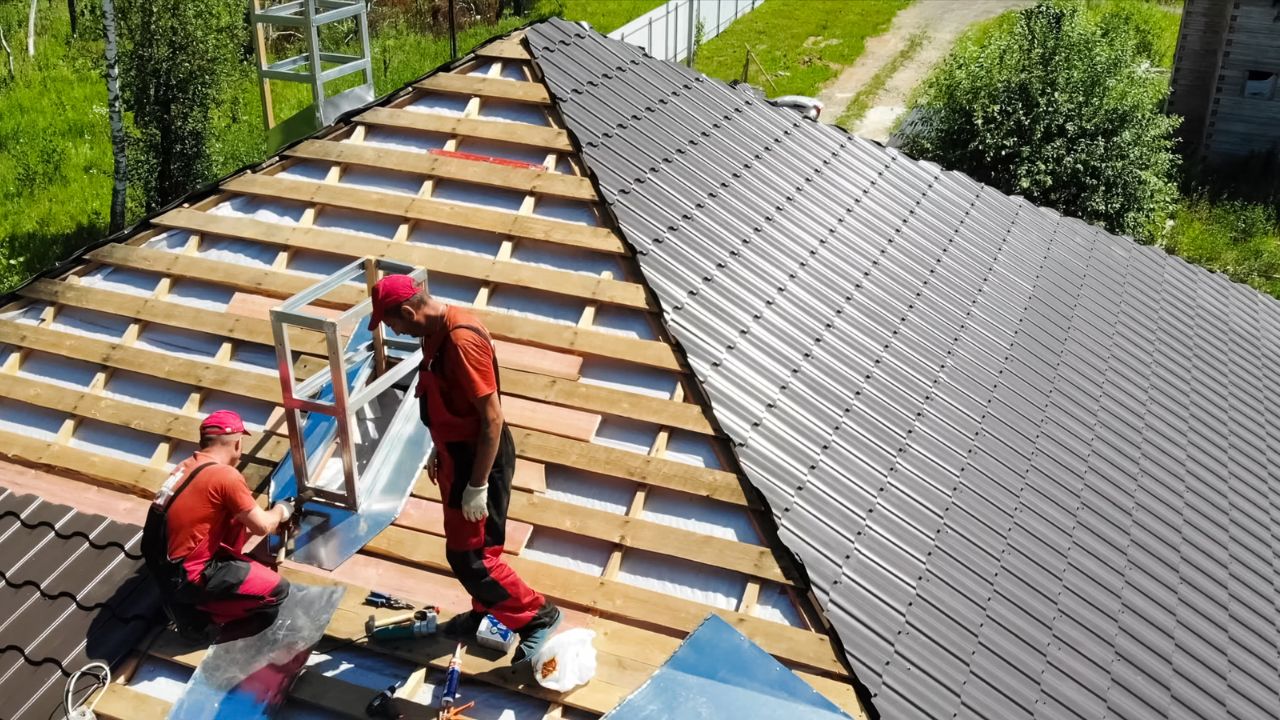
While installing an ice and water shield is not overly complex, it is advisable to entrust this task to a professional, especially during adverse weather conditions. However, if you are considering a DIY installation, it may be more manageable for spot repairs or selective coverage in vulnerable areas rather than covering the entire roof.

How to install ice and water shield

Where to Place an Ice and Water Shield

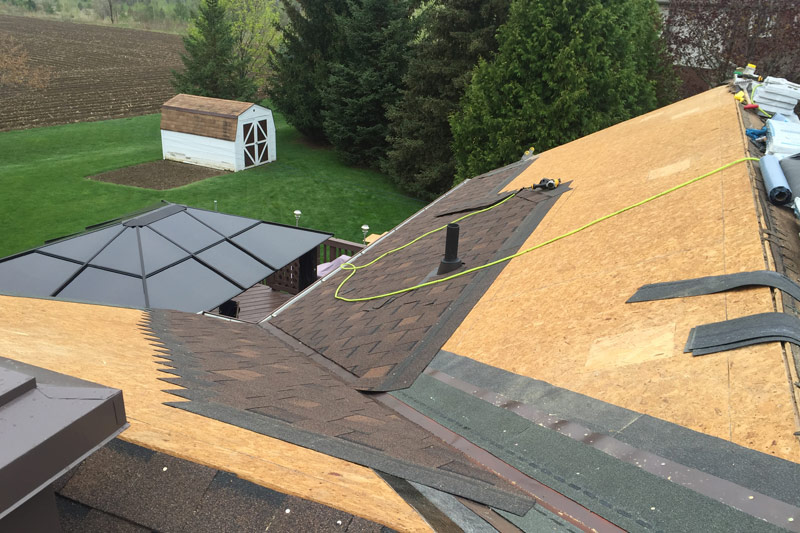
To ensure effective protection, the ice and water shield should be positioned atop the wood sheathing but underneath the shingles on your roof. It should extend over the fascia board to prevent water infiltration and close the gap between the initial roof board and the fascia board.

Can You Apply an Ice and Water Shield in Rainy Weather?

Many manufacturers of ice and water shields, such as Grace Ice & Water Shield, recommend installation when temperatures are above 40°F.

Working on a wet roof, even when the temperature is above 40°F, can be hazardous due to the increased risk of slipping caused by rain. Even seasoned roofing professionals face this risk, as they have one of the highest rates of work-related fatalities in the construction industry, primarily due to falls. It is advisable to wait for relatively warm and dry weather to apply an ice and water shield or, ideally, leave this task to a trained professional.

When to Install an Ice and Water Protector

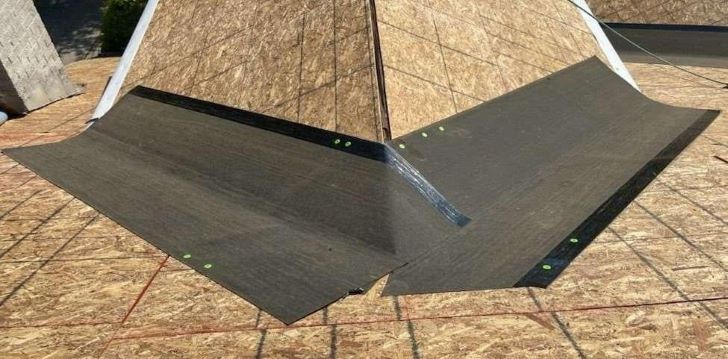
The ideal timing for installing an ice and water protector is before any other underlayments, such as roof felt. In cases where roof sheathing is being installed around features like chimneys and dormers, it’s recommended to position the ice and water protector beneath the flashing. This arrangement enhances its effectiveness as a water barrier.

Need a Roofing Contractor?

Need A Roofing Contractor?

Fully Insured
Licensed Contractor
Need Roofing Estimate

Need Roofing Estimate?

ZIP Code Based
Highly Accurate
Roofing 3D Rendering

Want Roofing 3D Rendering?

Make Informed Design Decisions
Showcase Your Design Ideas

Call Us To Discuss More at (561)933-8686

Pros and Cons of Ice and Water Shield for Roofing

Ice and water shield roofing underlayments offer numerous advantages to homeowners but also come with a set of drawbacks. Here’s a breakdown of the most common benefits and disadvantages associated with the installation of an ice and water shield on your roof:

Advantages:

  1. Protection against ice dams and water damage: An ice and water shield provides essential protection against water damage in situations where water penetrates beneath roof shingles or shingles are dislodged during storms, exposing your home.
  1. Relatively straightforward installation: Ice and water shields are self-sealing products, featuring one side with a robust adhesive that securely adheres to the roof deck, creating a dependable waterproof seal.
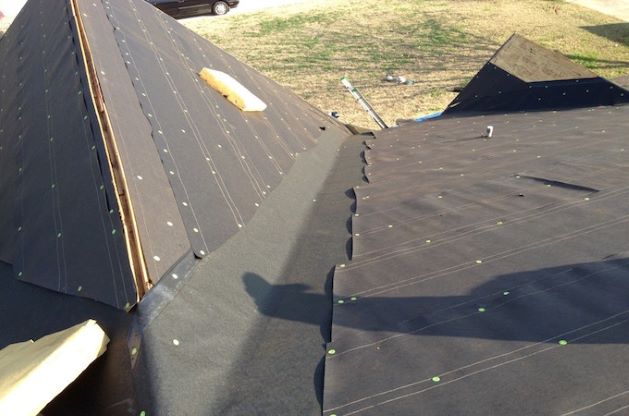
  1. Enhanced protection for vulnerable areas: These shields extend their coverage beyond the roof deck and can be applied to susceptible areas like chimneys, eaves, rake edges, valleys, and overhangs. Roofing professionals typically assess your roof to identify areas prone to ice dam-related damage and recommend installing roofing underlayment in these regions for added protection.

Disadvantages:

  1. Creation of a vapor barrier: Applying a water shield roofing underlayment across your entire roof results in the formation of a vapor barrier where gases accumulate and have difficulty escaping. Consequently, proper attic ventilation measures and potentially a new ventilation system need to be considered if you decide to cover your entire roof with an ice and water shield.
  1. Extended roofing installation process: Installing roofing underlayment is a time-consuming process that introduces an additional step and cost to your roof installation project. For instance, specific areas like the drip edge must be installed at the eave before adhering it to the roof deck. If you opt for a DIY installation of the ice and water shield, it’s essential to create a comprehensive checklist outlining each step required and the necessary sequence for installing items before and after the ice and water shield to ensure correct execution.

Should You Apply an Ice and Water Shield Across the Entire Roof?

The decision to apply an ice and water shield to the entire roof depends on various factors. While it’s possible to use this protective measure for the entire roof, homeowners must also consider the installation of an attic ventilation system to prevent condensation, which can potentially lead to water damage.

In regions characterized by heavy snowfall or strong winds, covering the entire roof with an ice and water shield can offer additional protection against leaks. However, in many climates, opting for full roof coverage with this shield may be unnecessary.

How to install ice and water shield

What Do Ice and Water Shields Prevent?

Ice and water shields serve as an impermeable barrier that effectively resists the lifting forces of ice, water, and powerful winds, thereby preventing water intrusion into your home and the formation of ice dams.

Protection Against Wind-Driven Rain Damage

During severe weather events like tornadoes, hurricanes, or windstorms, strong winds can displace shingles, leaving your roof vulnerable to the elements. An ice and water shield provides an extra layer of defense, resisting the uplifting effect of gusty winds. This ensures that water continues its downward flow towards the gutter, rather than infiltrating the roof or being forced beneath the shingles by the wind.

Prevention of Ice Dams

Ice dams are solid ice ridges that form when melted snow (water) runs down the roof’s edge and subsequently freezes, obstructing proper drainage. This often leads to water accumulation on the roof, resulting in leaks, distortions, and water damage to ceilings, walls, insulation, gutters, and other areas in the attic or upper levels of the house.

Varieties of Ice and Water Shields

Ice and water shields come in three primary types:

  1. Smooth Surface Ice and Water Shields: Typically applied to low-slope roofs.
  2. High-Heat Ice and Water Shields: Composed of cotton-like fibers, these are commonly used on metal roofs. They prevent the roof covering from adhering to the metal during expansion and contraction in hot weather, safeguarding the ice and water shield. They are also employed for added protection on premium roof systems such as cedar shake and slate.
  3. Granular or Sand Surface Ice and Water Shields: Best suited for installation in roof valleys, these are the thinnest among the three types. Despite their delicate material, they offer sufficient leak protection.
How to install ice and water shield

What Is the Cost of Ice and Water Shield?

The cost of ice and water shield can vary significantly based on factors such as the manufacturer, location, and the specific type chosen. According to our findings, a reliable ice and water shield material typically averages around $300, equivalent to an average cost of $6 per square foot. Installation costs typically range between $270 and $285, although this can vary depending on your geographic area.

Which Roofing Material Complements an Ice and Water Shield?

An ice and water shield pairs seamlessly with a wide range of roofing materials, including asphalt, felt shingles, fiberglass, tile, and metal. Before investing in an ice and water shield, it’s advisable to seek guidance from your contractor regarding the most suitable roofing underlayment for your specific roof and home. Different types of ice and water shields may better suit various materials and climate conditions.

Is an Ice and Water Shield Essential?

In numerous regions across the United States, ice and water shields are deemed essential and are often mandated by local building codes to provide protection against ice dams and water-related damage.

As a general guideline, if winter temperatures in your area consistently drop to 25°F or lower, it is highly advisable to install an ice and water shield to guard against the formation of ice dams.

Is an Ice and Water Shield a Valuable Investment?

For many climates, an ice and water shield represents a valuable investment and may even be a legal requirement under local building codes. However, before reaching a decision, it is wise to consult with a professional roofer in your vicinity to gain insights into local building regulations and receive personalized recommendations for your roof. Depending on your specific circumstances, you may find that an ice and water shield is only necessary for specific areas of your roof, which can be a more cost-effective option (potentially manageable as a DIY project) compared to applying it to the entire roof.

Need a Roofing Contractor?

Need A Roofing Contractor?

Fully Insured
Licensed Contractor
Need Roofing Estimate

Need Roofing Estimate?

ZIP Code Based
Highly Accurate
Roofing 3D Rendering

Want Roofing 3D Rendering?

Make Informed Design Decisions
Showcase Your Design Ideas

Call Us To Discuss More at (561)933-8686

Frequently Asked Questions (FAQs)

What is an ice and water shield, and why is it essential for my roof?

An ice and water shield is a waterproof underlayment installed beneath your roof shingles. It acts as a protective barrier, preventing moisture, leaks, and potential water damage from infiltrating your home.


Where is the ice and water shield placed during installation?

The ice and water shield should be positioned on top of the wood sheathing but beneath the shingles on your roof. It should extend over the fascia board to create an effective water barrier.

How much does it cost to install an ice and water shield?

The cost of installing an ice and water shield can vary based on factors like location and the specific type chosen. On average, the material costs around $300, equivalent to approximately $6 per square foot. Installation expenses typically range between $270 and $285.

Can I apply an ice and water shield myself, or should I hire a professional?

While DIY installation is possible, it’s recommended to have a professional handle the task, especially during adverse weather conditions. For spot repairs or selective coverage in vulnerable areas, a DIY approach may be more manageable.

When should I install an ice and water protector?

It’s best to install an ice and water protector before other underlayments, such as roof felt. When installing roof sheathing around features like chimneys and dormers, positioning the ice and water protector beneath the flashing enhances its effectiveness as a water barrier.

Do I need to worry about the weather when installing an ice and water shield?

Yes, weather conditions are crucial during installation. Many manufacturers recommend installation when temperatures are above 40°F. Working on a wet roof, even at temperatures above 40°F, can be hazardous due to increased slip risks caused by rain.

Is an ice and water shield necessary for my roof?

In many regions of the United States, ice and water shields are necessary and required by local building codes to protect against ice dams and water-related damage. Generally, if winter temperatures consistently drop to 25°F or lower in your area, it’s advisable to install an ice and water shield.

What benefits does an ice and water shield offer for roofing?

An ice and water shield provides crucial protection against ice dams and water damage by preventing water infiltration under shingles or during storms when shingles may dislodge. It also offers a relatively straightforward installation process and enhances protection for vulnerable roof areas.

Are there any disadvantages to using an ice and water shield?

One potential drawback is that it can create a vapor barrier, potentially requiring additional attic ventilation measures. Additionally, the installation process can add time and cost to your roofing project.

Can I cover my entire roof with an ice and water shield, or is it unnecessary?

The decision to cover the entire roof with an ice and water shield depends on various factors. While it’s possible, homeowners should also consider installing an attic ventilation system to prevent condensation. In regions with heavy snowfall or strong winds, full roof coverage can provide extra protection, but it may be unnecessary in many climates. Consulting a professional roofer is recommended for personalized recommendations.

Conclusion

The ice and water shield is an often overlooked yet vital component of your roof, silently safeguarding your home from potential water damage and leaks. Although concealed beneath the shingles, it serves as a protective barrier, effectively sealing vulnerable areas. Throughout this guide, we’ve explored its purpose, installation process, and the pros and cons associated with its use.

This essential shield, typically installed during roof replacements, offers protection against ice dams, water damage, and even wind-driven rain during severe storms. It creates a dependable seal while presenting some challenges, such as the potential formation of a vapor barrier and the additional time and cost of installation.

The decision to apply it across the entire roof depends on various factors, including climate conditions and the need for attic ventilation. Ultimately, consulting a professional roofer is recommended to make an informed choice. Whether you choose selective coverage or complete roof protection, an ice and water shield proves to be a valuable investment, ensuring your home remains safe and dry, even in the face of adverse weather conditions.

Need a Roofing Contractor?

Need A Roofing Contractor?

Fully Insured
Licensed Contractor
Need Roofing Estimate

Need Roofing Estimate?

ZIP Code Based
Highly Accurate
Roofing 3D Rendering

Want Roofing 3D Rendering?

Make Informed Design Decisions
Showcase Your Design Ideas

Call Us To Discuss More at (561)933-8686

Scroll to Top