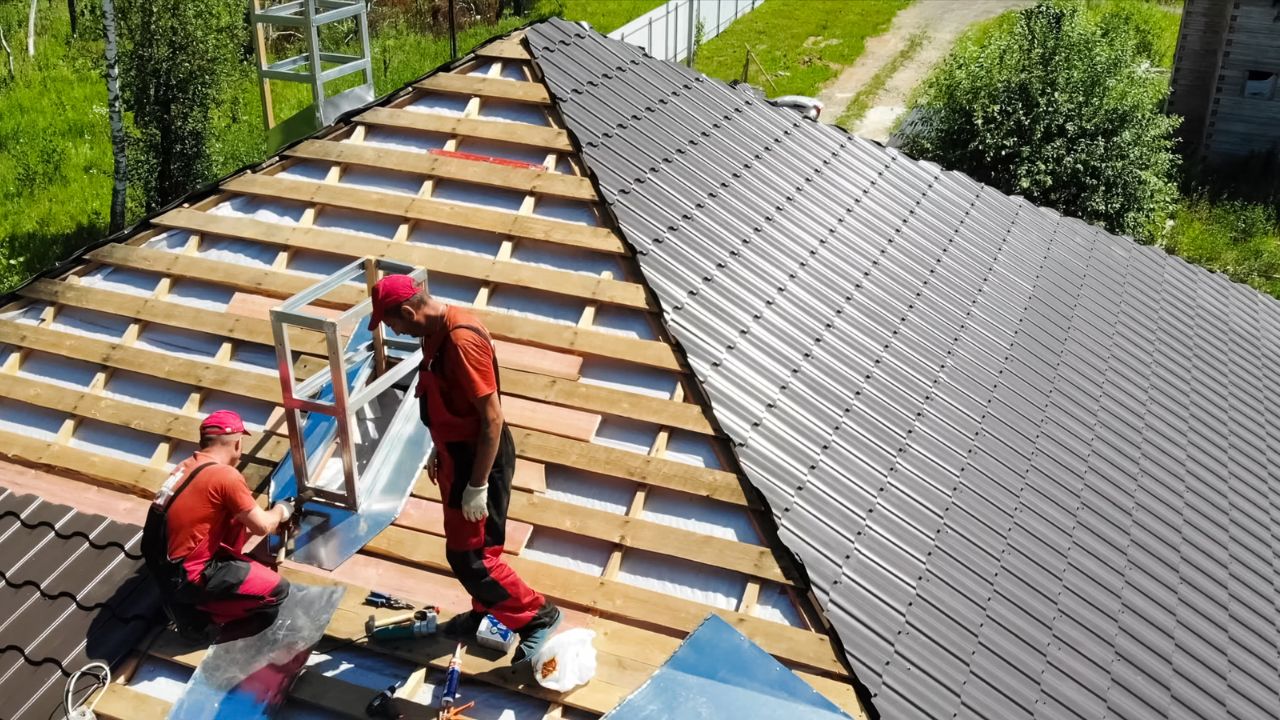
How Much Does a Flat Roof Cost?
Average Cost Range
$6,800 – $12,000
Flat roofs are a more cost-effective choice compared to pitched roofs due to their minimal slopes, which require fewer labor hours and materials during installation. Consequently, flat roofs represent one of the most budget-friendly options available, boasting materials that often offer longer-lasting durability than traditional asphalt shingles.
While flat roofs are generally more economical, accurately determining the precise cost of your installation can prove challenging. This article aims to simplify this issue by examining the pricing for each major type of flat roof available in the market. To compile this article, we analyzed pricing data from contractors and industrial suppliers, and subsequently cross-referenced this information with current trends in the public market.
Key Points
- Anticipate a cost of approximately $4 to $8 per square foot for a flat roof replacement.
- The choice of roofing materials for flat roofs can significantly influence your total expenses.
- Replacing or installing a flat roof is not a suitable DIY project; we strongly recommend hiring a professional.
Need A Roofing Contractor?
Licensed Contractor
Need Roofing Estimate?
Highly Accurate
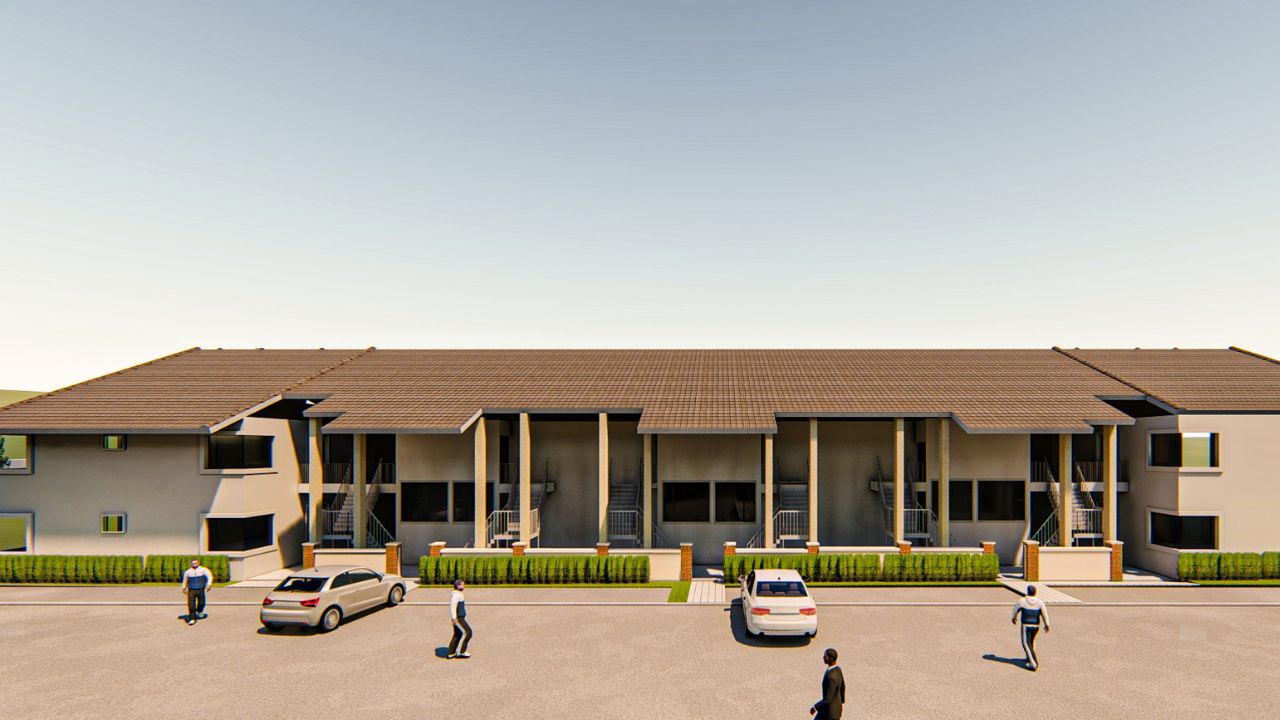
Want Roofing 3D Rendering?
Showcase Your Design Ideas
Call Us To Discuss More at (561)933-8686
What Does a Flat Roof Installation Cost?
The installation of a new flat roof typically falls within the range of $4 to $8 per square foot. This cost encompasses labor, overhead, and materials. Consequently, for a standard 1,700-square-foot flat roof, which is the typical size in the U.S., you can anticipate an expenditure between $6,800 and $12,000.
Due to the wide array of available materials, this price can vary significantly, spanning from as low as $2.92 to over $13 per square foot. Below, we provide a more detailed breakdown of the national average cost for flat roofs:
Cost Categories | Total Cost per Square Foot | Total Project Cost (1,700 Square Feet Roof) |
Low-end Cost Range | $2.50–$3.91 | $4,259–$6,647 |
National Average Range | $4–$6.94 | $6,800–$11,798 |
High-end Cost Range | $8.97–$13.00 | $15,249–$22,100 |
How Much Does Each Flat Roof Type Cost?
The choice of roofing material significantly influences the cost of any roofing project. Each material comes with its own base price, and some may be more challenging to install or demand specialized skills, leading to increased labor expenses. In the following section, we detail the most prevalent flat roofing materials available, providing their overall costs along with their respective advantages and disadvantages.
Roof Material | Total Cost per Square Foot | Total Project Cost (1,700 Square Feet Roof) |
Fiberglass | $4.15–$8.17 | $7,055–$13,889 |
EPDM | $2.92–$10.00 | $4,964–$17,000 |
Metal | $4.88–$18.00 | $8,296–$30,600 |
PVC | $3.69–$8.00 | $6,273–$13,600 |
TPO | $3.00–$8.00 | $5,100–$13,600 |
Built-up Tar (BUR) | $5.18–$8.32 | $8,806–$14,144 |
Need A Roofing Contractor?
Licensed Contractor
Need Roofing Estimate?
Highly Accurate
Want Roofing 3D Rendering?
Showcase Your Design Ideas
Call Us To Discuss More at (561)933-8686
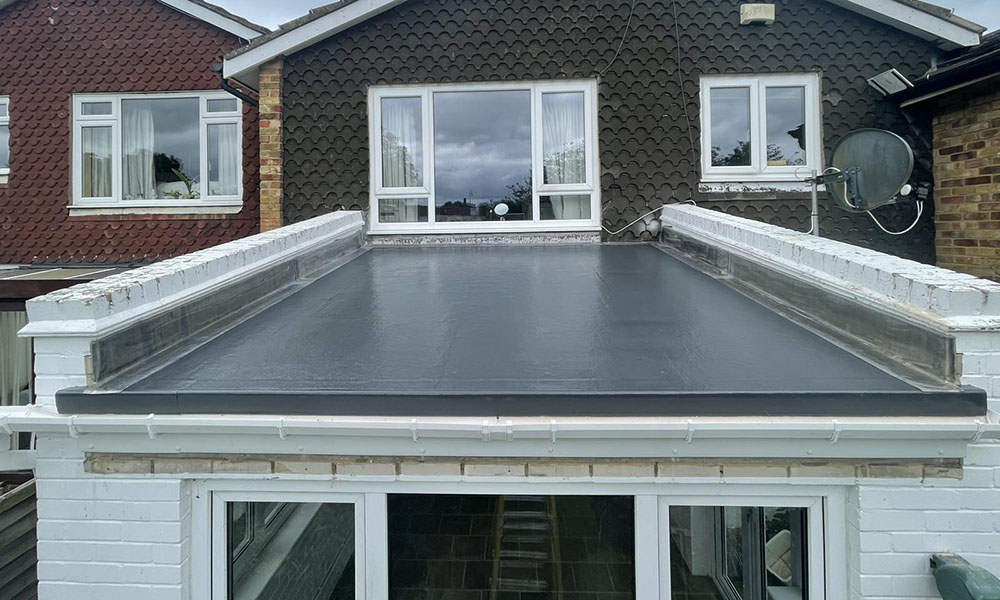
Fiberglass or Glass Reinforced Plastic (GRP)
Fiberglass stands as a well-balanced choice for flat roofing. It possesses qualities of being lightweight, waterproof, and cost-effective compared to traditional roofing materials, offering a relatively extended lifespan ranging from 20 to 50 years. The material cost of fiberglass is notably low, usually ranging from just $1 to $3 per square foot, though its installation cost tends to be at least twice that amount.
However, one significant drawback of fiberglass lies in its maintenance demands compared to other flat roofing materials. Comprising glass-based sheets, it is somewhat fragile, susceptible to impact, and necessitates recurring roof inspections.
For more detailed information on fiberglass shingle costs, you can refer to our comprehensive breakdown.
Metal
Metal stands as a common choice for flat roofing, suitable for both residential and commercial structures. A variety of metal roofing materials are available, each with its associated cost range. The prevalent material for flat metal roofs is aluminum, which typically falls within the range of $3.88 to over $5 per square foot. However, materials such as steel may reach higher costs, up to $15 per square foot, while premium metal options like copper can command prices as high as $30.
Flat metal roofs are valued for their durability, resistance to water and fire, low maintenance requirements, and relatively modest cost. With proper care, these roofs boast a lengthy lifespan, spanning from 30 to 50 years.
Ethylene Propylene Diene Monomer (EPDM)
EPDM ranks as one of the most widely used rubber roofing materials available today. It is a synthetic rubber membrane known for its exceptional durability, heat resistance, waterproof properties, and minimal maintenance requirements. Some EPDM variations are designed to be energy-efficient, reflecting sunlight and retaining heat, which can result in energy cost savings. The material cost of EPDM is relatively low, typically ranging from $2 to $3 per square foot. However, when factoring in labor and overhead expenses, the total cost typically falls between $4 and $10 per square foot, with some prices reaching as high as $13.
The lifespan of EPDM can vary depending on your geographical location. In northern states, where there is less sun exposure and more moisture, EPDM roofs may last longer, potentially reaching 30 to 50 years. In contrast, warmer and drier climates may experience a lifespan of 15 to 20 years.
PVC (Polyvinyl Chloride)
Polyvinyl chloride, or PVC, is a synthetic plastic material used in various applications, including pipes, fasteners, and roofing materials. In the realm of roofing, PVC is employed in the form of a single-layer, rollable membrane. While it is more commonly used for commercial buildings, it is still a frequent choice for residential projects. PVC offers attributes such as heat resistance, waterproofing, energy efficiency, ease of installation, and affordability.
The material cost of PVC is typically around $2.60 per square foot. However, when accounting for labor and overhead expenses, the total cost ranges from $4 to $8 per square foot. Despite its consistently low material price, PVC does not have an extended lifespan, lasting approximately 15 to 30 years. Although some homeowners report longer lifespans, these instances usually involve ideal conditions and continuous maintenance.
Thermoplastic Polyolefin (TPO)
TPO, short for Thermoplastic Polyolefin, is another synthetic option in the roofing industry. Similar to PVC and EPDM, it is a single-ply membrane composed of synthetic sheets that are rolled onto the roof surface. TPO offers efficiency, waterproofing capabilities, long-lasting performance, fire resistance, and durability. What sets it apart from other options is its eco-friendly nature, as it is created from recycled materials and is typically recycled when replaced.
TPO boasts a moderate lifespan of 20 to 30 years, although some homeowners have reported longer durations with proper maintenance. Its price falls on the lower end, ranging from $3 to $8 per square foot, making it a remarkably cost-effective choice considering its lifespan.
Built-up Tar (BUR) and Modified Bitumen
Built-up roofs and modified bitumen roofs are constructed using layers of synthetic materials, typically felt, gravel, and tar, to form a robust, waterproof seal. They possess exceptional fire resistance, water resistance, and durability, all while demanding minimal maintenance. Modified bitumen represents the more contemporary choice between the two and is used in residential applications, although some companies still opt for BUR.
Regrettably, these roofing options do not offer a long lifespan, typically ranging from 10 to 20 years. The cost of these roofs falls within the range of approximately $5.18 to $8.32 per square foot.
How Does Flat Roof Size Affect the Cost?
After selecting your roofing material, the size of your flat roof becomes the next significant cost consideration. Fortunately, flat roofs typically have a smaller total square footage compared to traditional pitched roofs because of their lower slope. Here, we provide average cost estimates for flat roofing projects based on common roof sizes.
Roof Size (Square Feet) | Price Range | Average Cost |
1,000 | $4,000–$6,940 | $5,470 |
1,500 | $6,000–$10,410 | $8,205 |
2,000 | $8,000–$13,880 | $10,940 |
2,500 | $10,000–$17,350 | $13,675 |
3,000 | $12,000–$20,820 | $16,410 |
3,500 | $14,000–$24,290 | $19,145 |
4,000 | $16,000–$27,760 | $21,880 |
How Much Does Flat Roof Material Cost?
While it’s advisable to enlist trained professionals for most roofing projects, there might be occasions when you find yourself needing to repair or install certain roof components independently. In such cases, you’ll have to procure materials from industrial suppliers or home improvement stores. Here’s a concise breakdown of the expected costs for each type of roofing material.
Depending on the materials used for your roof, you may also require additional items like sealant and underlayment. Sealant can incur an extra cost ranging from $1 to $5 per square foot, while underlayment typically falls in the range of $1.60 to $4 per square foot.
Material | Baseline Total Material Cost (Per Square Foot) | Total Material Cost for a 1,700 Square Foot Roof |
Fiberglass | $5.53 | $9,401 |
EPDM | $1.25 | $2,150 |
Metal | $2.53 | $4,301 |
PVC | $2.44 | $4,148 |
TPO | $2.15 | $3,655 |
Built-up Tar | $2.91 | $4,947 |
What Factors Influence the Total Cost of a Flat Roof?
When determining the cost of a flat roof project, square footage and materials are the primary factors to consider. However, several other elements can impact the overall expense. For flat roofs, expenses related to removing old materials, optional add-ons, necessary repairs, and obtaining permits can significantly affect the final price.
Removal of the Old Roof
If you’re replacing an existing roof, it’s essential to properly remove and dispose of the old materials to make way for the new roof. Fortunately, most roofing contractors offer removal and disposal services at an additional cost, typically ranging from $1 to $5 per square foot. For a moderately sized roof, this can add between $1,700 and $8,500 to your total bill. Keep in mind that the exact price may vary depending on your location and local waste disposal regulations.
Optional Add-ons and Repair Expenses
During a roof replacement, roofing professionals may discover damaged sections that require repair. In such cases, they typically seek approval from the homeowner to perform the necessary repairs and provide an updated quote that includes the additional service costs.
Furthermore, many homeowners choose to incorporate enhancements or address issues with their roofing systems during replacements, such as repairing gutters, improving attic ventilation, enhancing drainage systems, or installing skylights.
Here are some common add-ons and repair expenses homeowners may encounter, along with their associated costs:
- Repairing or replacing flashing: $10–$27 per linear foot
- Roof sealing: $1–$4 per square foot
- Gutter repair or replacement: $1,000–$7,000
- Adding a skylight: $900–$2,500
- Repairing a chimney: $150–$1,000
Permit Requirements
For major home renovations or repairs, including roof installations, permits are typically required. Fortunately, most contractors handle the permit application process on your behalf, but they will include a permit fee in your project quote. Expect to pay between $150 and $500 for permit fees through a contracting company.
Need A Roofing Contractor?
Licensed Contractor
Need Roofing Estimate?
Highly Accurate
Want Roofing 3D Rendering?
Showcase Your Design Ideas
Call Us To Discuss More at (561)933-8686
What Are the Advantages of Choosing a Flat Roof?
Opting for a flat roof offers numerous benefits, with the most significant being substantial cost savings. Flat roofs have a considerably smaller surface area compared to conventional roofs, thanks to their absence of slopes and elevated sections. Consequently, the installation of a flat roof entails reduced material and labor expenses.
On average, a flat roof covers approximately 13% less square footage than a standard roof of a home with the same base dimensions.
Professional vs. DIY Flat Roofing Costs
When it comes to installing a new roof or replacing an existing one, it’s highly advisable to enlist the services of a professional roofing company. While working on a flat roof may be somewhat simpler and safer compared to working on a steeply sloped roof, it still involves considerable difficulty and demands a high level of skill.
The materials utilized in flat roof installation often include hazardous and potentially toxic substances, such as hot tar or welding equipment. Properly handling these materials necessitates specialized training and experience. Attempting to undertake the installation without the necessary expertise can lead to personal injury or result in an improperly installed roof.
Doing a Flat Roof Installation Yourself
While installing a new roof typically exceeds the capabilities of most homeowners, it is technically possible, although strongly discouraged, to replace certain flat roofs on your own. It is essential to bear in mind that the quality of a roof is directly linked to its installation, and any improperly executed roof work can result in issues such as water damage, mold, and other serious problems. Additionally, even when working on a more accessible structure like a flat roof, roofing tasks remain hazardous, requiring meticulous safety precautions.
Hiring a Professional for a Flat Roof Installation
A roof serves as a foundational structure, and if any part of it fails, it can potentially cause harm to other components of your home. Consequently, selecting the right roofing professional for your upcoming installation is crucial for the long-term integrity of your residence. If you’ve never hired a roofing contractor before, the process may seem daunting, but by following these straightforward steps, you can identify the appropriate expert for your forthcoming flat roof installation:
- Locate Local Experts: Initiate your search by identifying the most reputable local roofing contractors. Investigate their customer reviews, check their Better Business Bureau ratings, and verify their state licenses before proceeding to the next phase.
- Obtain Quotes from Multiple Options: After shortlisting several candidates, arrange appointments to receive in-person quotes from each of them.
- Seek Recommendations: During the quote process, engage in discussions with them about the project, allowing you to evaluate their customer service and gain insights into your specific roofing needs.
- Review Quotes: Scrutinize the quotes you receive, comparing their pricing structures and overall costs.
- Make a Final Selection: Once you have chosen a roofing company that aligns with your requirements and preferences, proceed to schedule an appointment for your upcoming roof installation.
What Are Our Recommendations for Flat Roof Installation Costs?
There are several excellent options available for flat roof installations, and we highly recommend considering metal roofs, TPO, and EPDM. These roofing materials offer extended lifespans, require minimal maintenance, and come with reasonable price ranges. While fiberglass is also cost-effective, it tends to be fragile and may necessitate frequent maintenance. On the other hand, BUR roofs, on average, tend to be more expensive than single-layer roofing options and have a shorter lifespan.
In summary, the cost of flat roof replacement typically falls within the range of $6,800 to just under $12,000. Keep in mind that factors such as the choice of materials, square footage, and any additional repair work can influence this cost. Nonetheless, even with variations, flat roof replacement costs remain significantly lower than those of pitched roof replacements.
Frequently Asked Questions (FAQs)
The average cost range for flat roof installations is between $6,800 and $12,000. However, this cost can vary based on several factors, including the type of roofing material and the size of the roof.
Several factors can impact the total cost, including the choice of roofing material, roof size, optional add-ons or repairs, and permit requirements. Removal of old roofing materials can also affect the overall expense.
Opting for a flat roof offers substantial cost savings due to reduced material and labor expenses. Flat roofs cover approximately 13% less square footage than pitched roofs of the same base dimensions, making them more budget-friendly.
Installing a flat roof is not recommended as a DIY project. It requires specialized skills and the handling of potentially hazardous materials. Improper installation can lead to serious issues, such as water damage and mold.
To select the right roofing professional, start by researching local experts, checking their customer reviews, Better Business Bureau ratings, and state licenses. Obtain quotes from multiple contractors, engage in discussions about your project, review quotes, and make a final selection based on your requirements and preferences.
We recommend considering metal roofs, TPO (Thermoplastic Polyolefin), and EPDM (Ethylene Propylene Diene Monomer) for their durability, low maintenance, and reasonable pricing. Each of these materials has its own advantages and disadvantages, so it’s essential to choose one that suits your needs.
While opting for a less expensive material may reduce upfront costs, it’s crucial to consider long-term durability and maintenance requirements. Choosing a higher-quality material may offer better value over time.
Yes, permits are typically required for major home renovations or roof installations. Most roofing contractors can handle the permit application process on your behalf, but the cost of permits will be included in your project quote.
The size of the flat roof directly influences the cost. Smaller roofs will generally have lower installation costs compared to larger ones. We’ve provided average cost estimates for common roof sizes in the article to help you estimate expenses.
The cost of materials varies depending on the type of flat roofing material chosen. The article provides a breakdown of material costs per square foot for options such as fiberglass, EPDM, metal, PVC, TPO, and Built-up Tar (BUR).
Conclusion
The cost of flat roof installations presents a cost-effective alternative to pitched roofs due to their reduced square footage and simplified construction. This affordability makes flat roofs a compelling choice for homeowners. However, accurately determining the total cost can be challenging due to various factors, including material selection, roof size, and additional expenses like repairs, permits, and removal of old roofing materials. It’s crucial to emphasize that professional installation is strongly recommended for flat roofs due to the specialized skills and safety considerations involved. When selecting a roofing professional, thorough research and obtaining multiple quotes are essential steps. Ultimately, we recommend considering metal roofs, TPO, and EPDM for their durability, low maintenance requirements, and reasonable pricing. While other materials like fiberglass and BUR roofs have their merits, they may come with certain drawbacks that should be carefully considered. In general, flat roof replacement costs typically range from $6,800 to just under $12,000, offering significant savings compared to pitched roof replacements.
Need A Roofing Contractor?
Licensed Contractor
Need Roofing Estimate?
Highly Accurate
Want Roofing 3D Rendering?
Showcase Your Design Ideas
Call Us To Discuss More at (561)933-8686