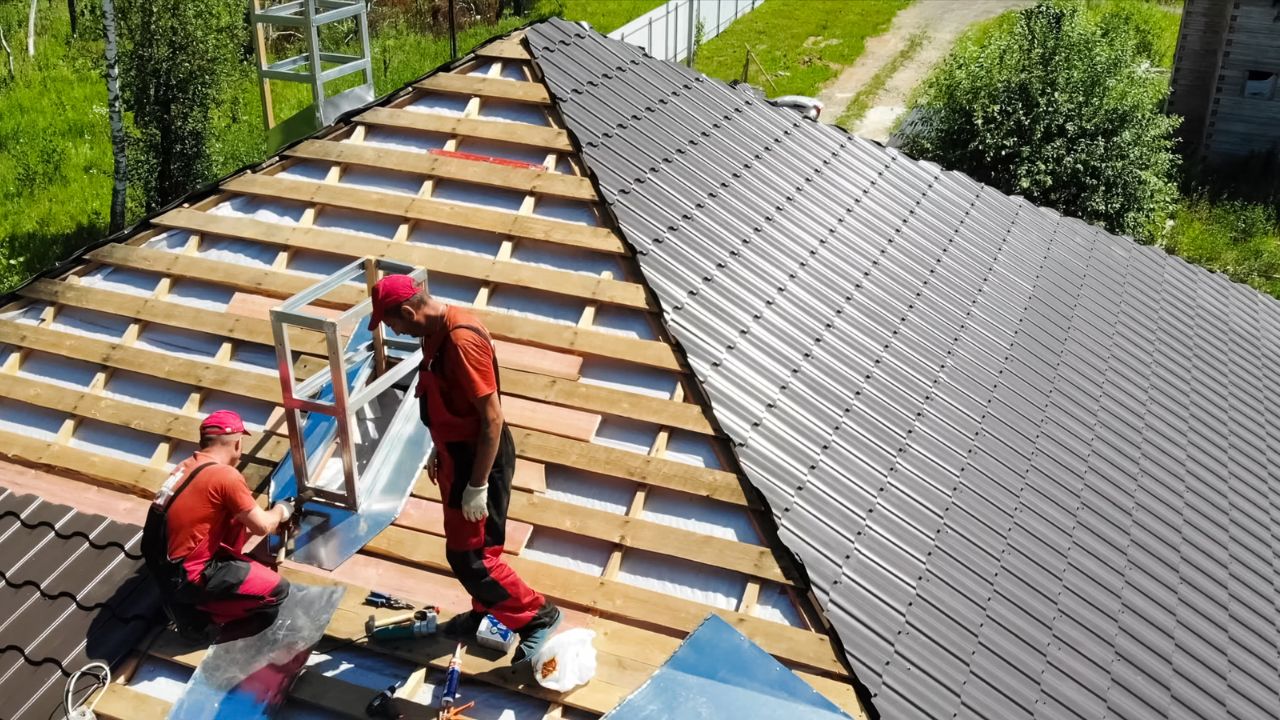
Average Cost Of A New Roof 1,000 sq ft

The roofs of your home play a vital role in its overall functionality and aesthetics. They serve as a protective barrier against the elements, safeguarding your residence and belongings while enhancing its visual appeal. This holds true regardless of the size of your home. Even if you have a smaller dwelling with a 1,000 square foot roof, you can still choose from a variety of roofing materials and styles commonly found in larger homes. Moreover, your overall roofing expenses will tend to be lower due to the reduced size of your roof.

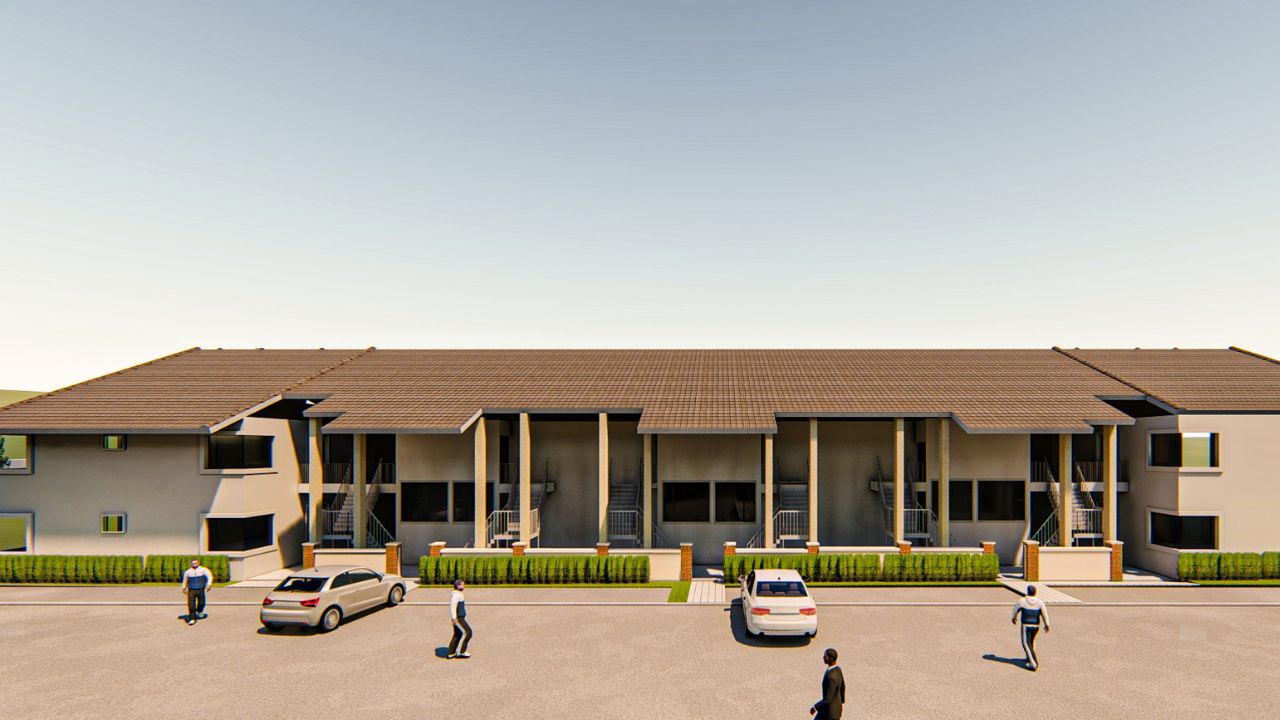
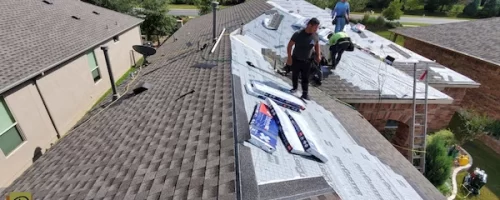
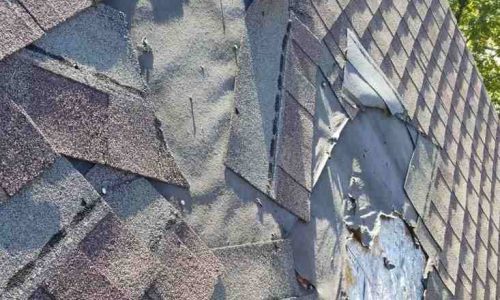
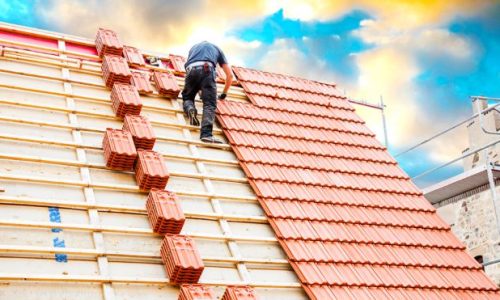
average cost of a new roof 1,000 sq ft

The cost of roofing, whether for a new installation or replacement, is primarily determined by factors like the style of the roof, its complexity, and the type of materials used. For instance, roofing materials on the lower end of the cost spectrum, such as asphalt, are more affordable when applied to a straightforward gable roof design. Conversely, premium materials like copper or slate, when used on a more intricate roof structure like a mansard, can significantly increase the overall expense.

On average, across the nation, the cost of installing a new roof with a 1,000 square foot surface area falls within the range of $4,750 to $10,000. Most homeowners typically spend approximately $7,000 for the installation of architectural shingles on a cross gable roof. At the lower end of the cost spectrum, you can expect a project to start at around $3,000, which typically involves the use of 3-tab shingles on a gable roof. Conversely, for more upscale choices, such as a roof replacement featuring clay tiles on a cross gable roof with modifications to the roof deck, costs can soar as high as $40,000.

Factors Influencing Roof Replacement Costs

The cost of a new roof is influenced by a range of factors, including:

  • Shingle Type: The choice of shingle material plays a significant role, with materials like slate being more expensive to install compared to standard asphalt shingles.
  • Labor: Labor costs can vary depending on the complexity of the project, the season in which the work is performed, and the level of risk involved.
  • Location: Local weather conditions can greatly affect the type of roofing system required and the installation process, ultimately impacting the overall cost.
  • Roof Size: The larger the roof area that needs to be covered, the higher the total cost is likely to be.
  • Dump Fees: Disposing of the old roofing materials removed during the replacement process comes with additional costs, as many roof installers charge a fee for hauling away these materials.
Need a Roofing Contractor?

Need A Roofing Contractor?

Fully Insured
Licensed Contractor
Need Roofing Estimate

Need Roofing Estimate?

ZIP Code Based
Highly Accurate
Roofing 3D Rendering

Want Roofing 3D Rendering?

Make Informed Design Decisions
Showcase Your Design Ideas

Call Us To Discuss More at (561)933-8686

Cost Variation Based on Shingle or Material Type

The choice of roofing material you opt for significantly influences the overall cost of your project. Asphalt or composite shingles are the most commonly used materials due to their affordability, lightweight nature, and ease of installation. However, within this category of shingles, there is a range of options, from basic three-tab shingles at the lower end of the price spectrum to premium architectural shingles with 30- or 50-year lifespans at the higher end.

average cost of a new roof 1,000 sq ft

Another popular roofing material category is tiles, which can be crafted from various materials, including ceramic, clay, metal, wood, synthetic wood, slate, or concrete.

Below are some of the most commonly used roofing materials and their average prices per square foot:

  • Asphalt Shingles: Basic three-tab asphalt shingles are the most budget-friendly, starting at around $4.25 per square foot. Premium asphalt shingles can cost up to $8.25 per square foot.
  • Aluminum Shingles: Aluminum shingles offer an upgrade from asphalt but are generally more affordable than tile or other metal roofing options.
  • Cedar Shingles or Shakes: Wood shakes, as they are hand-split, fall into the mid-range of pricing.
  • Clay and Concrete Tiles: Tile roofing tends to be more expensive compared to most other roofing materials.
  • Copper Tiles: Copper tiles represent the highest cost option among those listed here.
  • Flat Roofing Materials (Rubber, PVC): Ethylene propylene diene terpolymer (EPDM) roofing, a type of synthetic rubber, falls in the price range of $5.50 to $7.50 per square foot. However, the labor costs for replacement are typically higher.
  • Slate Tiles: Slate tiles are considered mid-range in terms of cost, but their weight may necessitate additional roof reinforcement.
  • Standing Seam Metal Panels: Standing seam metal panels, while durable, come at a higher cost compared to corrugated metal roofing.
  • Steel Shingles: Similar to aluminum, steel shingles are pricier than asphalt but fall into the mid-range category among metal roofing options.
  • Zinc Tiles: Zinc tiles rank as the second-most expensive option due to their limited availability.

Roofing Material

Cost per Square Foot (Including Installation)

Aluminum Shingles

$8.50–$13.75

Architectural/Premium Asphalt Shingles

$4.50–$8.25

Basic Asphalt Shingles

$4.25–$4.95

Cedar Shingles or Shakes

$8–$14.30

Clay Tiles

$12–$24.75

Concrete Tiles

$11–$19.80

Copper Tiles

$21–$39.70

Corrugated Metal

$5.50–$11.50

Flat Roofing Materials (Rubber, PVC)

$5.50–$7.50

Slate Tiles

$12–$22

Standing Seam Metal Panels

$10–$17.05

Steel Shingles

$8–$12.65

Zinc Tiles

$18–$28

Need a Roofing Contractor?

Need A Roofing Contractor?

Fully Insured
Licensed Contractor
Need Roofing Estimate

Need Roofing Estimate?

ZIP Code Based
Highly Accurate
Roofing 3D Rendering

Want Roofing 3D Rendering?

Make Informed Design Decisions
Showcase Your Design Ideas

Call Us To Discuss More at (561)933-8686

Labor Costs

Roofing expenses are commonly divided into two components: 40% for materials and 60% for labor. However, your choice of roofing materials can also impact labor costs. Opting for asphalt shingles can be cost-effective in terms of labor, as they are the most commonly used and quickest materials to install.

average cost of a new roof 1,000 sq ft

Most roofing contractors possess significant expertise in working with asphalt shingles. Additional installation costs may arise if your home has three or more stories or if the roof has a steep or challenging-to-reach design. The more time-consuming or risky the project, the higher the associated labor costs will be.

Cost Variation Based on Roof Size

Replacing a larger roof generally requires more time and resources. In the roofing industry, materials and pricing are commonly measured in roofing squares, which represent 10-by-10-foot areas, equivalent to 100 square feet each. For instance, a 1,000-square-foot house typically features a roof with approximately 1,054 square feet of roofing surface, accounting for pitch and overhang. The costs provided in this article factor in these considerations.

Furthermore, the specific configuration of your roof can also impact the overall cost. When a roof is less accessible, or when the areas requiring repair or replacement are confined, roofing contractors typically charge higher rates. Similarly, projects tend to be more expensive when dealing with steep roofs or roofs located more than two stories above ground level. Below, we provide an overview of various roof types and components, as demonstrated in our “Learn the Basics of Roof Systems” article.

Additional Considerations in Roof Replacement Costs

In addition to factoring in material and labor expenses, there are several other elements to keep in mind when calculating the total cost of replacing your roof.

  • Additional Roofing Projects: Evan Greene, the sales manager of Northeast Exteriors for the New England Branch of Long Home Products, recommends considering concurrent roofing-related tasks when installing a new roof. These may encompass the installation or upgrading of gutters, trim, soffits, skylights, and chimneys. While such projects can contribute to the overall roofing expenses and may involve alterations like raising the roof’s height, they can ultimately save you time and money in the long run. For more information, please refer to our guide on the costs associated with raising your roof.
  • Old Roof Removal: In most regions, roofing regulations prohibit the installation of new shingles over existing ones. Roofers typically need to remove all layers down to the underlayment, a process that can be both labor-intensive and costly, often ranging from $1 to $5 per square foot.
  • Underlayment Repair: Prior to installing the new roof, roofing contractors must address any underlying damage beneath the old roof.
  • Roof Features: The presence of various features on your roof can significantly influence the complexity of the replacement project and, consequently, its cost. Elements like chimneys, skylights, and other roof features represent potential vulnerability points for leaks. They require special materials and additional time to ensure proper sealing. Evan Greene advises, “Chimneys should undergo replacement or repairs before the new roof installation.”

Should I Repair or Replace My Roof?

Roof replacement can be a substantial investment, and you might be contemplating whether it’s more cost-effective to fix isolated leaks or replace a few shingles. Here’s when we recommend opting for roof repair as opposed to a full replacement.

Indications Your Roof Requires Repair

You might be able to sidestep a complete replacement and choose roof leak repair if the following conditions are met:

  • Your asphalt shingle roof is less than 10 years old.
  • Your roof is constructed with a highly durable material like metal, slate, or tile.
  • The damage is confined to a small or shallow area.
  • You anticipate staying in your current residence for a while and have no immediate plans to upgrade your roof.

Indications Your Roof Calls for Replacement

Although repairing a roof can be a more budget-friendly option compared to replacement, it’s not always the most suitable choice. Roof repairs offer only a temporary solution. Even if you’re not dealing with leaks that appear faster than you can patch them, you might end up spending more on repairs than you would on a replacement if your roof is in poor condition. Consider opting for a roof replacement in the following scenarios:

  • Your asphalt shingle roof has exceeded 10 years of service.
  • The damage is extensive, such as exposed decking or water damage beneath the moisture barrier.
  • Your roof has experienced structural issues.
  • You intend to enhance the value of a property you plan to sell within the next few years.
  • You aim to improve your home’s energy efficiency.
  • In cases where damage is confined to one side of your roof, a partial replacement might be feasible. However, it’s essential to factor in your long-term budget, as replacing your roof in stages may incur higher costs than a one-time complete replacement. Additionally, there may be cosmetic considerations, such as potential misalignment of shingles.
Need a Roofing Contractor?

Need A Roofing Contractor?

Fully Insured
Licensed Contractor
Need Roofing Estimate

Need Roofing Estimate?

ZIP Code Based
Highly Accurate
Roofing 3D Rendering

Want Roofing 3D Rendering?

Make Informed Design Decisions
Showcase Your Design Ideas

Call Us To Discuss More at (561)933-8686

DIY vs. Professional Roof Replacement

While you may be capable of addressing occasional roof leaks on your own, undertaking a DIY roof replacement is strongly discouraged. Roofing is an inherently hazardous task, even when dealing with a single-story home, as it involves working on a sloped surface typically positioned at a minimum of 10 feet above the ground. Professional roofers undergo extensive training and possess the necessary safety equipment for tackling steep roof projects.

Furthermore, the process of roof installation demands specific tools such as extension ladders, tear-off shovels, nail guns, air compressors, and more. Established roofing companies are equipped with these tools and have expertise in adhering to local building codes. If you choose to embark on a DIY roof replacement, you will not benefit from a roof warranty, and your homeowners’ insurance provider is unlikely to offer reimbursement.

Roof replacement is a highly specialized undertaking and ranks among the most substantial home improvement endeavors you may encounter. We strongly advise against attempting either full or partial roof replacement on your own. Instead, it is advisable to engage the services of a licensed roofing contractor with a wealth of experience in the field.

Frequently Asked Questions (FAQs)

What factors influence the cost of a new roof for a 1,000 square foot home?

The cost of a new roof is influenced by several factors, including the choice of roofing materials, labor costs, location, roof size, and any additional considerations such as old roof removal or underlayment repair.

Can I save money by opting for DIY roof replacement on my 1,000 square foot home?

DIY roof replacement is not recommended, as roofing is a hazardous task that requires specialized training and equipment. Professional roofers are equipped to ensure safety and compliance with building codes. Attempting a DIY project may also void any roof warranty and result in limited insurance reimbursement.

How much should I budget for a new roof on a 1,000 square foot house?

On average, the cost of a new roof for a 1,000 square foot home falls within the range of $4,750 to $10,000. The specific cost depends on factors like the choice of roofing material, labor, and any additional projects or repairs needed.

What are the signs that my roof needs repair rather than a full replacement?

Roof repair may be suitable if your asphalt shingle roof is less than 10 years old, the damage is limited to a small area, and you plan to stay in your current home without upgrading the roof. Repair is a temporary solution for minor issues.

When should I consider a full roof replacement for my 1,000 square foot home?

A roof replacement is recommended if your asphalt shingle roof is over 10 years old, the damage is severe (e.g., structural issues or extensive water damage), you want to add value to your home, or you aim to improve energy efficiency.

What is the significance of roof size in determining replacement costs?

The size of the roof, measured in roofing squares (10×10-foot areas), plays a role in determining costs. Larger roofs require more materials and labor, which can result in higher expenses.

Are there any additional projects I should consider when replacing my roof?

Roof-adjacent projects like updating gutters, trim, soffits, skylights, and chimneys can be completed concurrently with a new roof installation. While they increase initial expenses, they can save you time and money in the long term.

What are dump fees, and how do they affect roof replacement costs?

Dump fees refer to the cost of disposing of old roofing materials removed during the replacement process. Many roof installers charge a fee for hauling away these materials, which can add to the overall replacement costs.

Is it possible to replace only a portion of my roof if the damage is limited to one side of my 1,000 square foot home?

Partial roof replacement is an option if the damage is confined to one side of the house. However, consider your long-term budget, as replacing a roof in phases may be costlier than a one-time complete replacement.

Professional roofers have the necessary training, safety equipment, and tools to ensure a safe and compliant installation. Attempting a DIY roof replacement may void warranties and limit insurance reimbursement. Roof replacement is a complex project best left to experienced contractors.

Conclusion

The cost of a new roof for a 1,000 square foot area is a significant consideration for homeowners, and it depends on various factors such as the type of roofing material, labor, location, and the size and complexity of the roof. Roofing materials range from budget-friendly asphalt shingles to premium options like copper or slate tiles, each with its own price point per square foot. Labor costs make up a substantial portion of the overall expense, influenced by factors like roof design and accessibility. Roof size and configuration also play a role in cost, with larger or more complex roofs generally requiring more resources and thus, higher costs. Additional considerations such as old roof removal, underlayment repair, and roof features can further impact expenses. When deciding between roof repair and replacement, it’s essential to assess factors like the age and condition of your existing roof, as well as your long-term plans for the property. Lastly, while DIY roof projects may seem tempting, the complexity and safety concerns associated with roof replacement make it imperative to hire a licensed roofing contractor with the necessary expertise and equipment. In the end, investing in a well-constructed and durable roof is an essential aspect of maintaining and enhancing your home’s value and functionality.

Need a Roofing Contractor?

Need A Roofing Contractor?

Fully Insured
Licensed Contractor
Need Roofing Estimate

Need Roofing Estimate?

ZIP Code Based
Highly Accurate
Roofing 3D Rendering

Want Roofing 3D Rendering?

Make Informed Design Decisions
Showcase Your Design Ideas

Call Us To Discuss More at (561)933-8686

Scroll to Top