How Much Does It Cost To Replace A Roof on a 4,000 square foot house

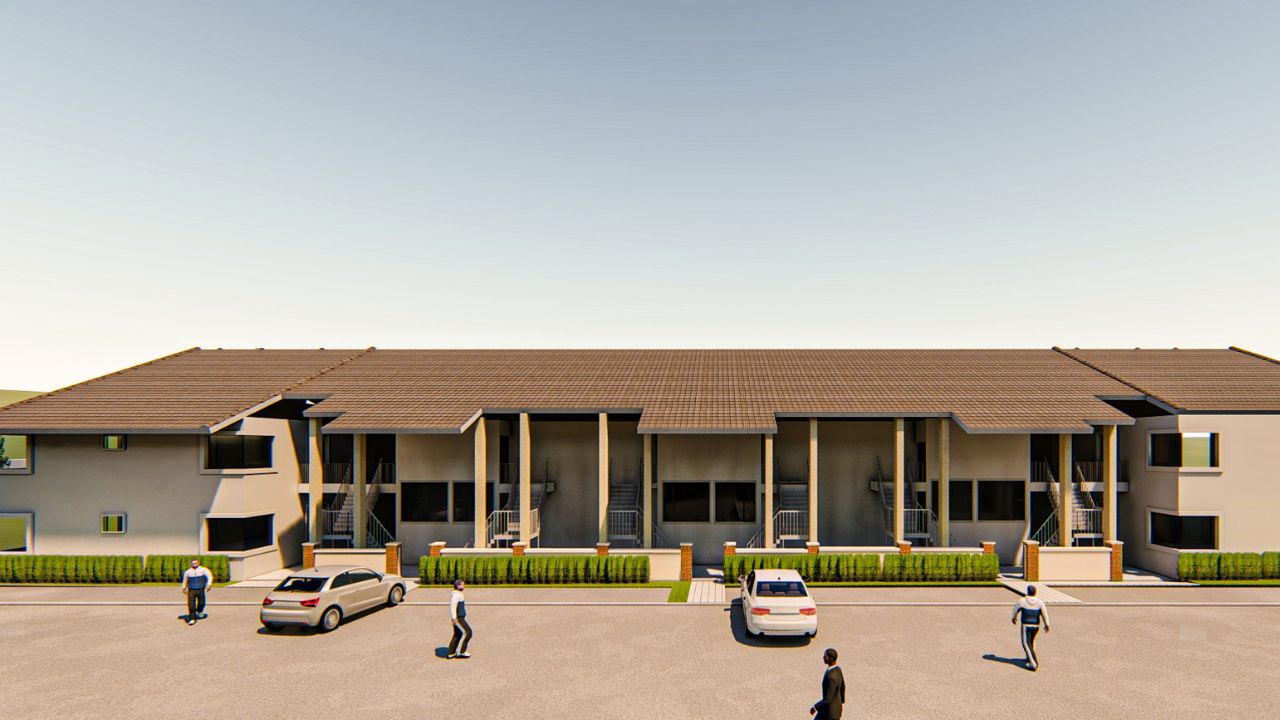
The cost of replacing a roof on a 4,000 square foot house can vary significantly depending on various factors such as the roofing material, location, labor costs, and any additional services required. On average, homeowners can expect to spend anywhere from $10,000 to $40,000 for a roof replacement of this size. Asphalt shingles, which are a popular and cost-effective choice, might fall on the lower end of this range, while more premium materials like metal, slate, or clay tiles can push the cost higher. Additionally, factors like the complexity of the roof’s design, the need for structural repairs, and local permitting requirements can also influence the final price. It’s crucial to obtain multiple quotes from reputable roofing contractors to get a more accurate estimate for your specific project and to ensure that the replacement is done professionally to protect your investment in your 4,000 square foot home.

how much does it cost to replace a roof on a 4,000 square foot house

Factors That Impact the Cost

Several factors can influence the cost of roof replacement, encompassing the following key aspects:

Roof Size

The size of your roof directly affects the overall expense of replacement. Larger roofs necessitate more materials, labor, and time, contributing to higher costs. For instance, a 4,000 square foot roof will inherently incur more expenses than a smaller one due to the increased square footage that needs covering. This additional material requirement can significantly influence the final cost. Roofing contractors typically measure roofs in squares, where one square equals 100 square feet. Knowing your roof’s total square footage will enable you to estimate material requirements and associated costs more accurately.

Roofing Material

The choice of roofing material plays a significant role in cost determination. Composite, asphalt, and metal roofs generally fall on the more affordable side, with costs varying within this range based on the specific material quality and brand. Conversely, slate, tile, and wood shake options tend to be pricier due to their premium quality and durability. The choice of material not only affects the upfront cost but also has long-term implications for maintenance and longevity. Consider factors like lifespan, energy efficiency, and local climate conditions when deciding on the roofing material that best suits your budget and needs.

Project Complexity

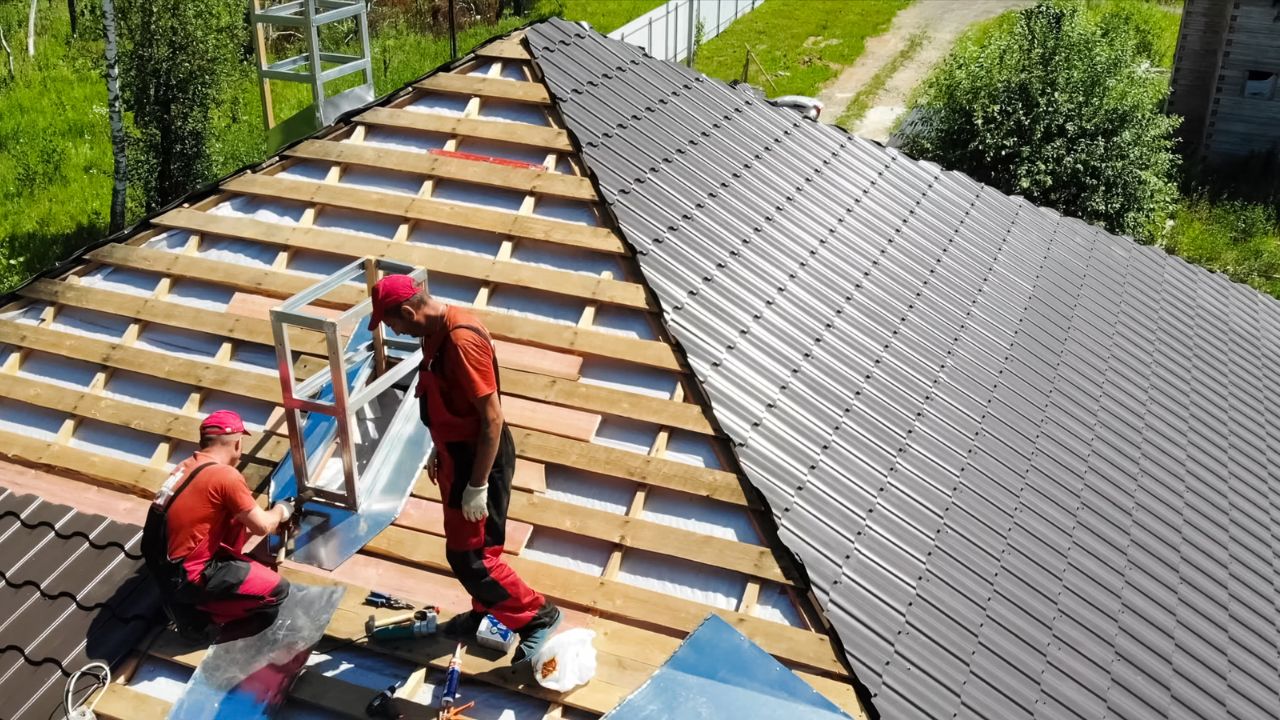
Roofs with steep pitches or intricate architectural features like dormers, angles, chimneys, and more can increase the complexity of the project, subsequently elevating the cost. These features may require specialized labor and materials, such as flashing and underlayment, to ensure proper installation and weatherproofing, adding to the overall expense. Additionally, complex projects may take longer to complete, leading to increased labor costs. It’s essential to assess the intricacies of your roof’s design and factor them into your budget accordingly.

Roof Condition

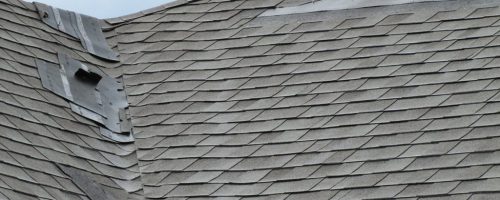
The existing condition of your roof is a crucial factor. Highly damaged underlying materials, such as rafters and roof decking, may need to be repaired or replaced by a general contractor before the actual roof replacement. These necessary structural repairs can incur additional expenses that should be factored into the overall budget. Ignoring these issues can lead to future complications and even higher costs down the road. Conduct a thorough inspection to identify any underlying problems and address them proactively during the replacement process.

Season

The season in which you choose to undertake your roof replacement can impact costs. The demand for roof replacement tends to peak during the spring and summer months when weather conditions are favorable for construction. During these seasons, roofing contractors may charge higher rates due to increased demand. In contrast, scheduling your project during the slower or off-peak seasons may result in cost savings as contractors may offer more competitive pricing to secure work. Be mindful of your region’s climate and consider timing your replacement accordingly to optimize cost-efficiency.

Location

The location of the job site matters. Jobs in more remote or hard-to-reach areas will usually cost more than those in densely populated regions. Roofing contractors in remote areas may face additional challenges related to transportation of materials and workforce, which can translate into higher costs. Conversely, denser areas often facilitate easier access for roofers and supply chains, making them more cost-effective options. Assess the accessibility of your location and account for potential logistical challenges when estimating your project’s cost.

Labor and Materials Costs

Labor and materials expenses can fluctuate based on supply and demand factors or broader economic forces like inflation. The cost of labor may vary depending on the availability of skilled roofing professionals in your area. Additionally, the price of roofing materials can be influenced by market conditions and the cost of production. These fluctuations in labor and material costs can impact the overall budget of your roof replacement project and should be considered when planning for expenses. Seek multiple quotes from reputable contractors to gauge the current market rates for labor and materials, ensuring that your budget remains realistic and competitive.

Need a Roofing Contractor?

Need A Roofing Contractor?

Fully Insured
Licensed Contractor
Need Roofing Estimate

Need Roofing Estimate?

ZIP Code Based
Highly Accurate
Roofing 3D Rendering

Want Roofing 3D Rendering?

Make Informed Design Decisions
Showcase Your Design Ideas

Call Us To Discuss More at (561)933-8686

Roof Replacement Costs Based on Material Types

The choice of roofing material significantly influences the expense of roof replacement. Materials like asphalt or composite three-tab shingles offer a cost-effective solution for homes in various climatic regions. In contrast, metal and stone or slate roofing options can be more than double the cost of asphalt or composite shingles but offer extended durability and longevity.

how much does it cost to replace a roof on a 4,000 square foot house

Roof Material

Low Cost

High Cost

Average Cost

Asphalt/Composite

$6,550

$11,650

$9,100

Metal

$11,050

$29,700

$20,375

Stone/Slate

$5,500

$44,000

$24,750

Tile

$21,050

$47,400

$34,225

Wood Shake

$20,500

$31,000

$25,750

Need a Roofing Contractor?

Need A Roofing Contractor?

Fully Insured
Licensed Contractor
Need Roofing Estimate

Need Roofing Estimate?

ZIP Code Based
Highly Accurate
Roofing 3D Rendering

Want Roofing 3D Rendering?

Make Informed Design Decisions
Showcase Your Design Ideas

Call Us To Discuss More at (561)933-8686

DIY Roof Replacement Cost

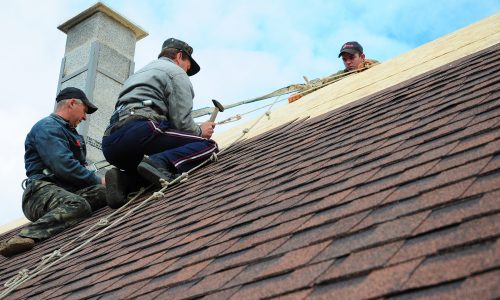
If you possess the necessary skills, time, and some helping hands, you might consider replacing your own roof. However, it’s essential to be highly experienced in roofing, and the project should ideally involve a relatively small-scale roof.

For a DIY roof replacement, anticipate spending approximately $5,000 on shingles and all the associated roofing materials.

how much does it cost to replace a roof on a 4,000 square foot house

On the other hand, roof replacement is a intricate task that demands precision to prevent issues like leaks and structural problems. Therefore, the majority of homeowners opt to hire a professional roofer to ensure the job is executed correctly and with the expertise it requires.

Tips for Prolonging Your Roof's Lifespan

Preserving and addressing issues with your roof will consistently prove to be a more cost-effective approach compared to a complete roof replacement. You can extend the life of your roof by:

  • Promptly repairing any damage: Address any damage or wear and tear on your roof as soon as it’s noticed to prevent further deterioration.
  • Scheduling routine roof inspections: Arrange for regular roof inspections conducted by a qualified inspector to identify and rectify potential issues before they escalate.
  • Maintaining clean gutters: Keep your gutters free from debris and obstructions to ensure proper drainage and prevent water from pooling on your roof.
  • Preventing or removing ice dams: Take steps to prevent the formation of ice dams, or if they do occur, promptly clear them to prevent water infiltration.
  • Eliminating moss growth: Address moss growth on your roof by safely removing it to prevent damage to the roofing materials and maintain the roof’s integrity.

Roof Replacement vs. Roof Repair: Factors to Consider

When faced with roof damage, opting for a repair rather than a full replacement can often be a more economical choice. To make an informed decision, take into account the following factors:

  • Extent of Damage: If the damage to your roof is relatively limited in scope, repair may be a viable option. Seek opinions from multiple roofing professionals to determine whether repairs can adequately address the issue instead of opting for a complete replacement.
  • Roof Lifespan: When your roof approaches the end of its natural lifespan, it might be an opportune moment to consider a full replacement. Replacing an aging roof can provide long-term benefits and peace of mind.
  • Roofing Materials: The choice of roofing materials significantly influences the cost of roof replacement. High-end materials like stone or tile can substantially raise the overall replacement cost. Conversely, opting for more budget-friendly roofing materials may provide the flexibility to undertake a full roof replacement without straining your budget.
  • Budget Constraints: If you are working within a tight budget, it’s prudent to explore the option of repairing your roof. Roof repairs are generally less costly than replacements and can help you address immediate concerns without incurring a substantial financial burden.

5 Ways to Save on Roof Replacement

Here are a few ways to save on the cost of roof replacement:

  • Get multiple opinions: The recommendation of one contractor to fully replace the roof may not always be the correct one. Ask a couple of other roofers for their opinions. Roof repair will always be less expensive than roof replacement.
  • Get multiple estimates: Once you have decided to replace the roof, solicit at least three estimates from roofing contractors.
  • Use less expensive materials: Explore the varying price tiers of roofing materials to find one that’s both economical and right for your home.
  • Do some work yourself: Most roofing work is best done by professionals. But some preliminary or finish work such as cleaning or gutter replacement can be done by you.
  • Research grants and loans: Look into local grants or loans such as Home Improvement Program (“HIP”) or home repair/improvement subsidizes.
Need a Roofing Contractor?

Need A Roofing Contractor?

Fully Insured
Licensed Contractor
Need Roofing Estimate

Need Roofing Estimate?

ZIP Code Based
Highly Accurate
Roofing 3D Rendering

Want Roofing 3D Rendering?

Make Informed Design Decisions
Showcase Your Design Ideas

Call Us To Discuss More at (561)933-8686

Frequently Asked Questions (FAQs)

How much does it cost to replace a roof on a 4,000 square foot house?

The cost of replacing a roof on a 4,000 square foot house can vary widely depending on factors such as the roofing material, location, labor costs, and any additional services required. On average, homeowners can expect to spend anywhere from $10,000 to $40,000 for a roof replacement of this size. The final cost may also depend on the complexity of the roof’s design, structural repairs, and local permitting requirements. To get a precise estimate, it’s advisable to obtain quotes from reputable roofing contractors.

What factors impact the cost of roof replacement?

Several factors can influence the cost of roof replacement, including:

  • Roof Size: Larger roofs require more materials and labor, leading to higher costs.
  • Roofing Material: The choice of material affects both upfront and long-term costs.
  • Project Complexity: Complex roof designs may increase labor and material expenses.
  • Roof Condition: Extensive damage may require repairs before replacement.
  • Season: Costs may vary based on the season and demand.
  • Location: Remote areas may incur higher costs due to logistical challenges.
  • Labor and Materials Costs: Fluctuations in labor and material prices can impact the budget.

How much can I save by repairing my roof instead of replacing it?

Repairing a damaged roof can be a cost-effective option compared to full replacement, especially when the damage is limited. The extent of savings depends on factors like the nature and extent of damage. It’s advisable to consult multiple roofing professionals for their opinions on whether repair is a suitable solution.

What are some ways to save on roof replacement costs?

To save on the cost of roof replacement, consider the following strategies:

  • Seek multiple opinions: Consult several roofing professionals to explore repair options before committing to a full replacement.
  • Obtain multiple estimates: Get at least three quotes from roofing contractors to find the best value.
  • Consider less expensive materials: Explore budget-friendly roofing materials that suit your needs.
  • DIY tasks: Some preliminary or finishing work, like cleaning or gutter replacement, can be done by homeowners.
  • Research grants and loans: Investigate local programs like the Home Improvement Program (“HIP”) or home repair/improvement subsidies that may offer financial assistance for your project.

How can I extend the lifespan of my roof?

To prolong your roof’s lifespan, follow these steps:

  • Repair damage promptly.
  • Schedule regular roof inspections by qualified inspectors.
  • Keep gutters clean to ensure proper drainage.
  • Prevent or remove ice dams.
  • Address moss growth on your roof promptly to maintain its integrity.

Conclusion

The cost of replacing a roof on a 4,000 square foot house is a variable that depends on numerous factors. Homeowners should expect to budget anywhere from $10,000 to $40,000 on average for such a project, with the final cost determined by factors like the chosen roofing material, roof size, project complexity, roof condition, seasonal demand, location, and fluctuations in labor and material costs. It is essential to carefully consider these aspects and obtain multiple quotes from reputable roofing contractors to ensure an accurate estimate tailored to your specific needs. While there are cost-effective options like asphalt shingles, premium materials such as metal or slate can increase the expense but offer greater durability. Additionally, homeowners should weigh the option of DIY roof replacement, bearing in mind the need for expertise and safety, or hiring a professional roofer for precision and peace of mind. To prolong the lifespan of your roof and potentially delay the need for replacement, timely repairs, routine inspections, gutter maintenance, ice dam prevention, and moss removal are essential practices. Ultimately, whether to repair or replace a damaged roof should be based on factors like the extent of damage, roof lifespan, budget constraints, and the choice of roofing materials. Finally, exploring multiple opinions and estimates, considering budget-friendly materials, and doing some DIY work can help homeowners save on roof replacement costs, along with researching grants and loans to assist in financing the project.

Need a Roofing Contractor?

Need A Roofing Contractor?

Fully Insured
Licensed Contractor
Need Roofing Estimate

Need Roofing Estimate?

ZIP Code Based
Highly Accurate
Roofing 3D Rendering

Want Roofing 3D Rendering?

Make Informed Design Decisions
Showcase Your Design Ideas

Call Us To Discuss More at (561)933-8686

Scroll to Top