Coastal Home Gets New Roof to Combat Salt Corrosion Damage
What is Salt Corrosion Damage?
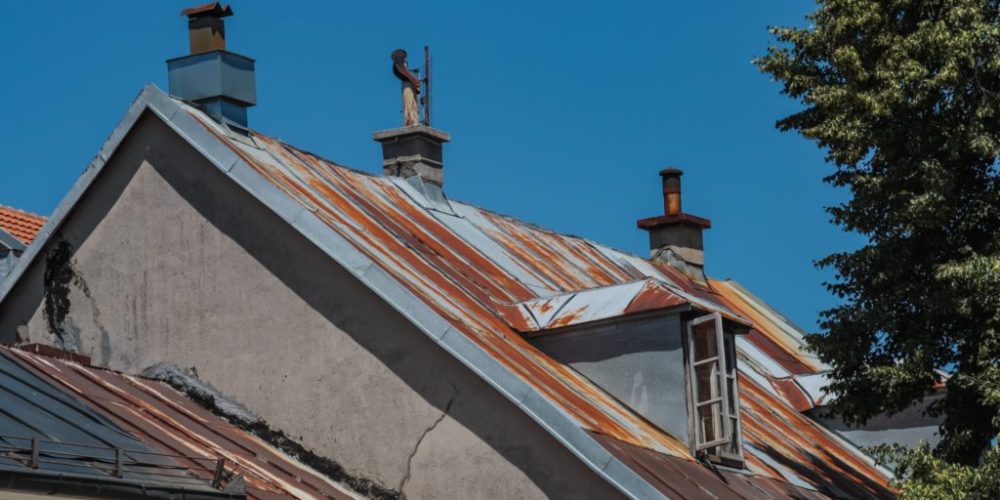
Salt corrosion damage occurs when the salt-laden moisture from the ocean air comes into contact with the roofing materials. The salt can corrode metal components, weaken roofing structures, and degrade the overall quality of the roof. Over time, this can lead to leaks, rust, and a decreased lifespan of the roof.
The Effects of Salt Corrosion on Roofing Materials
- Asphalt shingles can become brittle and lose their granules, leading to water penetration.
- Metal roofs can rust and develop perforations, allowing water to seep through.
- Wooden roofs can swell, warp, and rot due to the moisture-absorbing properties of salt.
Need A Roofing Contractor?
Licensed Contractor
Need Roofing Estimate?
Highly Accurate
Want Roofing 3D Rendering?
Showcase Your Design Ideas
Call Us To Discuss More at (561)933-8686
Replace the Metal Roof
The initial step in addressing salt corrosion damage on this property involves the replacement of the corroded metal roof.
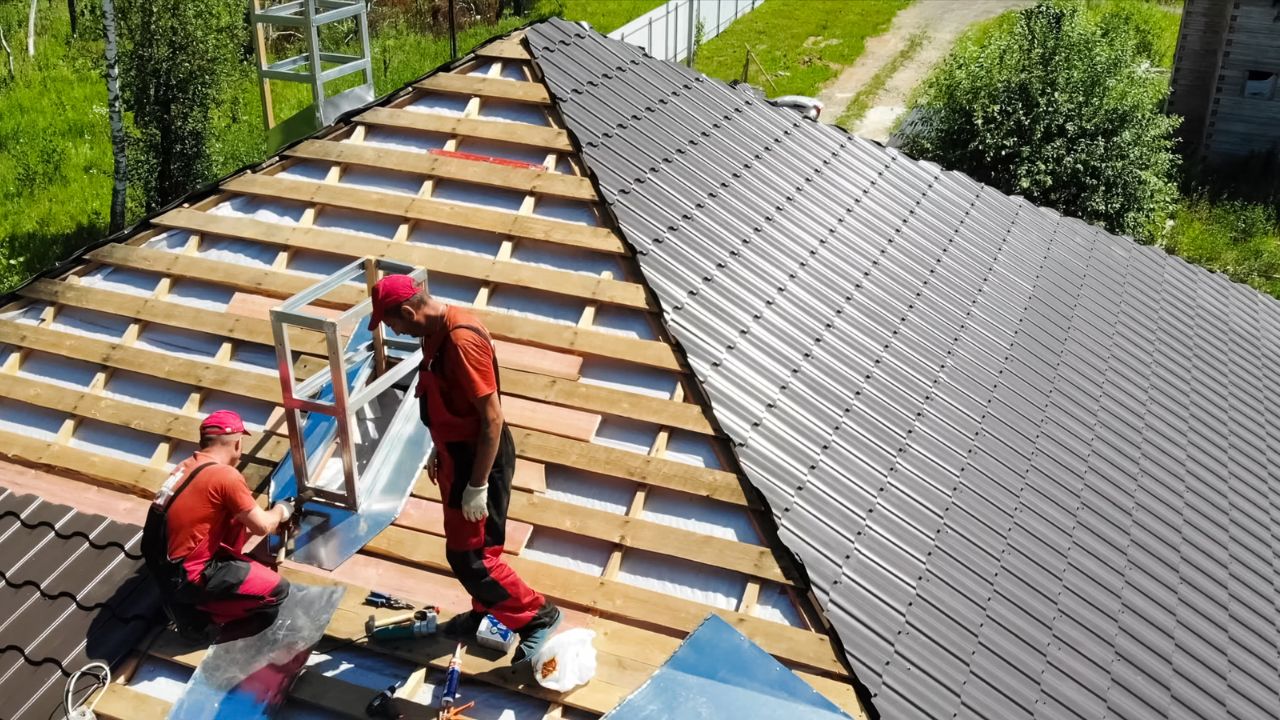
We are installing a new roof, which is a standing-seam snap-lock roof manufactured by a Metal Roofing Alliance-approved company.
To ensure you avoid any issues with subpar metal roofing, it’s essential to select companies that have been thoroughly reviewed and approved by the Metal Roofing Alliance.
These reputable companies possess the necessary qualifications and expertise to correctly install your roof using high-quality materials and industry-standard procedures.
In the case of our primary structure, featuring a Fortified Roof, we have opted for a fully sealed roof deck. This entails the application of a peel-and-stick membrane across the entire decking.
Although a metal roof is designed to prevent water infiltration, in the event of damage such as a tree impact, this type of membrane is self-sealing and can repair itself in the short term. This ensures that no water penetrates the roof.
Replace Lattice Panels
Even PVC lattice panels are not impervious to the detrimental effects of the salty sea breeze. Over time, the salt in the air can lead to the deterioration and discoloration of the PVC material, causing it to become brittle and more prone to cracks and breakage.
Furthermore, these panels may undergo discoloration, turning either yellow or brown due to the corrosive impact of salt.
The initial step in replacing these panels involves the removal of the old ones. This process begins by cutting the existing lattice panels to detach them from the framework.
Subsequently, we perform some touch-up painting around the framework before installing the new panels using stainless steel screws. These screws are resistant to rust, ensuring better protection against future corrosion.
Wire Brush and Repaint Rusted Fasteners
It’s well-known that the salty air and water can cause significant damage to metal fasteners, and bolts are certainly no exception. The salt in the air and water reacts with the metal in the bolts, leading to rust and corrosion.
Moisture plays a significant role as well, as it speeds up the oxidation process responsible for rust formation.
To compound the issue, if your bolts aren’t composed of rust-resistant materials like stainless steel, they become even more susceptible to corrosion, as is the case with the bolts on the Beebes’ residence.
When dealing with any rusty surface, it’s crucial to remove as much loose rust as possible before painting. To accomplish this, we utilize a wire brush and a wire wheel on a power tool. The objective is to eliminate as much rust as feasible without causing harm to the underlying metal.
Subsequently, we wipe down the area with a clean cloth to eliminate any dust or debris. Following this, we apply a metal primer to seal the metal, followed by a layer of paint to protect it from the elements.
Revitalize the Pavilion
The space beneath the pavilion sees limited use, so we’re giving it a makeover to create a cozy spot for relaxation after a long day.
Our first step involved pressure washing to eliminate accumulated dirt and grime. Once we restored the picnic table to its original splendor, we applied a protective sealer to safeguard it against future damage. This will help preserve the table’s aesthetics and durability, even in the face of challenging outdoor conditions.
While we have our power washer ready, we’re also addressing the concrete slab beneath the pavilion to ensure it serves as a pristine canvas for our upgraded picnic table.
Next, our focus shifted to the pavilion’s pylons. We discovered that the bases were showing signs of rot, posing a potential threat to the structure’s stability if left unattended. Consequently, we promptly took action by affixing hardware to the affected areas to prevent further decay.
Following this, we applied Quikrete Fast-Setting Concrete to reconstruct the deteriorated sections of the pylons. This material sets rapidly and offers a robust surface capable of withstanding the elements, guaranteeing the pavilion’s long-lasting resilience.
Reflections on the Project's Conclusion
Don and Julie’s residence enjoys a picturesque bayfront setting, yet this beauty has come at a cost. The combined effects of salt corrosion, wind, and frequent storms have left their mark on the structure.
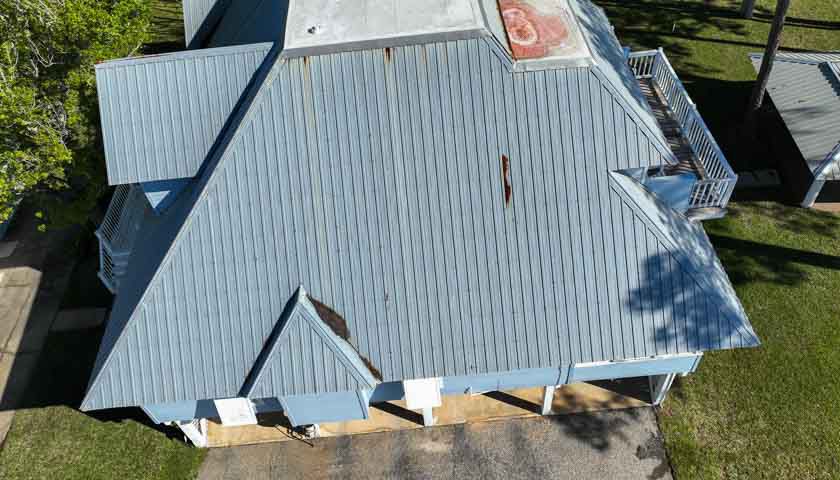
The old metal roof bore rust, as did the exposed fasteners on the house and stairs. Even the plastic lattice had endured the relentless assault of the elements.
However, the house has now been rejuvenated. The rust is no more. There’s fresh paint, new lattice, and a pristine roof that not only enhances the aesthetics but also serves as a shield, safeguarding this family and their home from whatever challenges Mother Nature may present for many years to come.
Need A Roofing Contractor?
Licensed Contractor
Need Roofing Estimate?
Highly Accurate
Want Roofing 3D Rendering?
Showcase Your Design Ideas
Call Us To Discuss More at (561)933-8686
The Benefits of a New Roof
Installing a new roof on your coastal home can offer a multitude of advantages, especially in environments where exposure to salt and moisture is a concern. Here are some key benefits to consider:
Enhanced Durability
One of the primary benefits of investing in a new roof, specifically designed to combat salt corrosion, is the substantial increase in durability. Coastal regions are notorious for the corrosive effects of saltwater and the harsh conditions that come with it. A new roof, constructed with materials engineered to withstand these elements, can significantly outlast an aging roof. This extended lifespan not only provides long-term protection but also reduces the frequency of necessary maintenance and repairs. In the long run, this translates into substantial cost savings for homeowners, making a new roof a wise investment.
Improved Energy Efficiency
Modern roofing materials often incorporate advanced insulation properties. Upgrading to a new roof can lead to improved energy efficiency for your coastal home. Enhanced insulation helps regulate indoor temperatures more effectively, reducing the need for excessive heating or cooling. This, in turn, leads to lower energy bills and a more comfortable living environment year-round. The energy savings accrued over time can offset the initial cost of the new roof, making it a financially savvy decision in the context of coastal living.
Enhanced Curb Appeal
Beyond the practical benefits, a new roof can have a transformative effect on the overall appearance of your coastal home. It can instantly enhance the curb appeal and aesthetic value of your property. With a wide range of roofing materials, styles, and colors available, you can choose a design that complements your home’s architectural style and personal preferences. The visual upgrade not only makes your home more appealing but also increases its market value, should you decide to sell in the future. A new roof can be a powerful and attractive selling point for potential buyers.
Prevention of Structural Damage
Coastal environments are particularly harsh on roofing materials due to salt corrosion. Over time, this can lead to leaks and structural damage. A new roof serves as a protective barrier, effectively preventing these issues from arising. It seals your home against the corrosive effects of saltwater, safeguarding your investment in the long term. By addressing potential structural damage proactively, you not only protect your home but also avoid costly repairs and renovations down the road. This preventive measure ensures that your coastal home remains a secure and reliable sanctuary for years to come.
Need A Roofing Contractor?
Licensed Contractor
Need Roofing Estimate?
Highly Accurate
Want Roofing 3D Rendering?
Showcase Your Design Ideas
Call Us To Discuss More at (561)933-8686
Frequently Asked Questions (FAQs)
Salt corrosion damage occurs when the salt-laden moisture from the ocean air comes into contact with the roofing materials. The salt can corrode metal components, weaken roofing structures, and degrade the overall quality of the roof. Over time, this can lead to leaks, rust, and a decreased lifespan of the roof.
The effects of salt corrosion on roofing materials can vary:
Asphalt shingles can become brittle and lose their granules, leading to water penetration.
Metal roofs can rust and develop perforations, allowing water to seep through.
Wooden roofs can swell, warp, and rot due to the moisture-absorbing properties of salt.
The initial step in addressing salt corrosion damage on a metal roof involves its replacement. It’s crucial to choose a reputable company approved by the Metal Roofing Alliance to ensure a quality installation using corrosion-resistant materials.
Even PVC lattice panels can deteriorate due to salt exposure. To protect them, you can replace old panels with new ones and use stainless steel screws for better corrosion resistance.
Rusted fasteners can be addressed by using a wire brush or wire wheel to remove loose rust, followed by applying a metal primer and paint to seal and protect the metal from further corrosion.
Installing a new roof on your coastal home offers several benefits:
- Enhanced durability, especially against salt corrosion.
- Improved energy efficiency, leading to lower energy bills.
- Enhanced curb appeal, increasing the property’s value.
- Prevention of structural damage caused by salt corrosion.
Conclusion
The transformation of Don and Julie’s coastal home, combating the relentless effects of salt corrosion, stands as a testament to the power of proactive maintenance and investment in resilient materials. The project involved the replacement of a corroded metal roof with a standing-seam snap-lock roof, carefully selected from a Metal Roofing Alliance-approved company. Additionally, the worn PVC lattice panels were replaced with rust-resistant alternatives, and rusted fasteners were meticulously wire brushed and repainted to prevent further corrosion. The revitalization of the pavilion, with pressure washing, concrete repairs, and protective sealing, added both functionality and aesthetic appeal to the property. This comprehensive renovation not only restored the home’s beauty but also fortified it against the coastal elements. The benefits of the new roof extend beyond aesthetics, offering enhanced durability, improved energy efficiency, increased curb appeal, and prevention of structural damage. Ultimately, this project ensures that Don and Julie’s coastal haven will continue to thrive, providing a secure and beautiful retreat for years to come.
Need A Roofing Contractor?
Licensed Contractor
Need Roofing Estimate?
Highly Accurate
Want Roofing 3D Rendering?
Showcase Your Design Ideas
Call Us To Discuss More at (561)933-8686